The product designer’s guide for non-classic flows

The best part of working for a UX design agency is the ability to collaborate with clients from various industries, from SaaS to legal and e-commerce. But sometimes, you land a project that’s so niche you go over the brief three times and still feel like it’s all Greek. What then?
First of all: remember that it happens to the best of us. Don’t panic if you can’t find inspiration and hardly understand the lingo on meetings. Your job is not to know everything, but to adapt quickly and learn fast. Here’s how.
Where to start?
Intro workshops
We recommend starting any project with an intro workshop, regardless of how much you know about the given industry. During these workshops, the clients and stakeholders can be guided to share a clear vision with you, as well as their expectations and experiences. This way, the design team can acquire and process all the information they need to do a great job, including:
- Brand persona
- Product goals
- Fears and obstacles
- Assumptions
- Competitors
- User journeys
Be prepared and attentive. You can prepare by asking for existing materials and doing an initial round of research. Take notes and don’t be afraid to ask follow-up questions if something isn’t clear. Templates can be a big help, but prioritize organic flow over a rigid regiment.
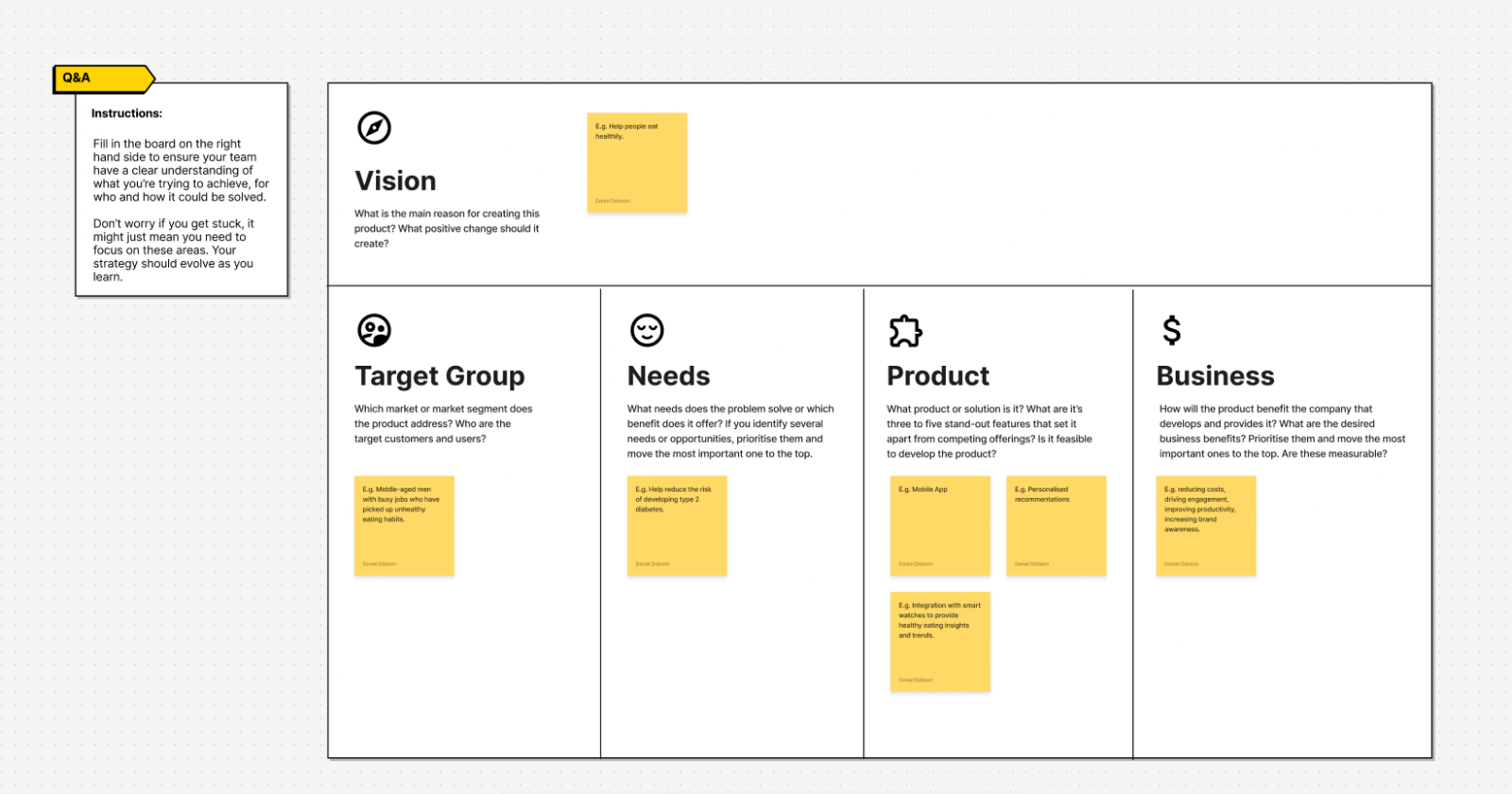
Tip: these kinds of workshops can get lengthy and require the participants' full attention. Have frequent breaks and activities to break the monotony. Some of our favorite UX workshop activities are:
- Crazy 8’s: where there are eight minutes to sketch eight ideas to solve a prompt quickly. This triggers all kinds of ideas because people will be pushed to think of other solutions besides their initial ones.
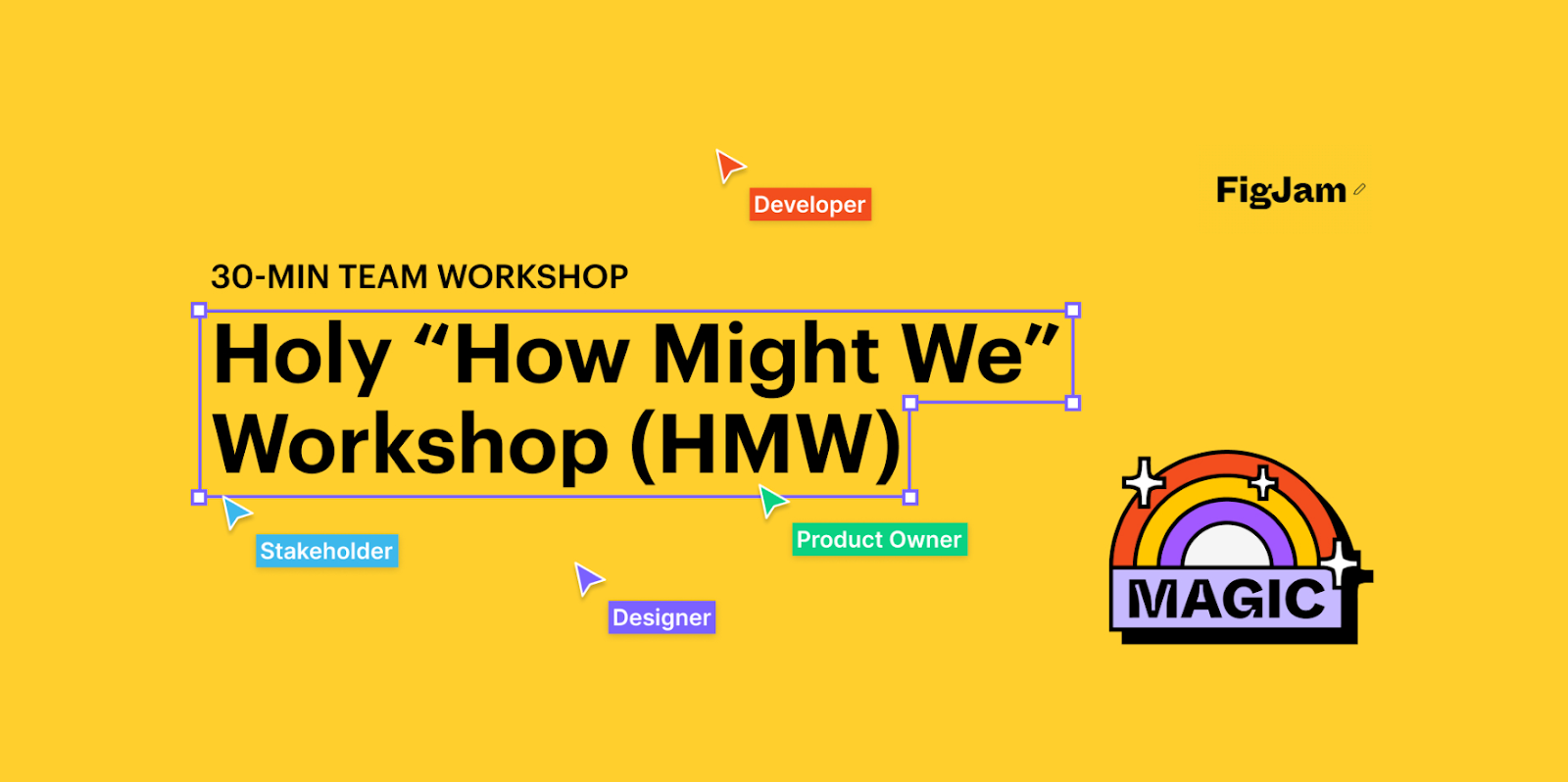
- How might we…: with a clear problem statement, produce a series of HMW questions and find answers to those that feel more relevant. The nice part of the exercise is that the answers should be as boundary-less as possible.
Both are centered on finding alternative solutions and rethinking how we approach our problems instead of focusing on initial assumptions.
If you want to learn more about how we do intro workshops in the studio, you can check a detailed explanation in this article.
Industry experts are your friends
Talk with experts if you have the opportunity. They are the best source of information you will have. These people usually studied and worked for years within the industry.
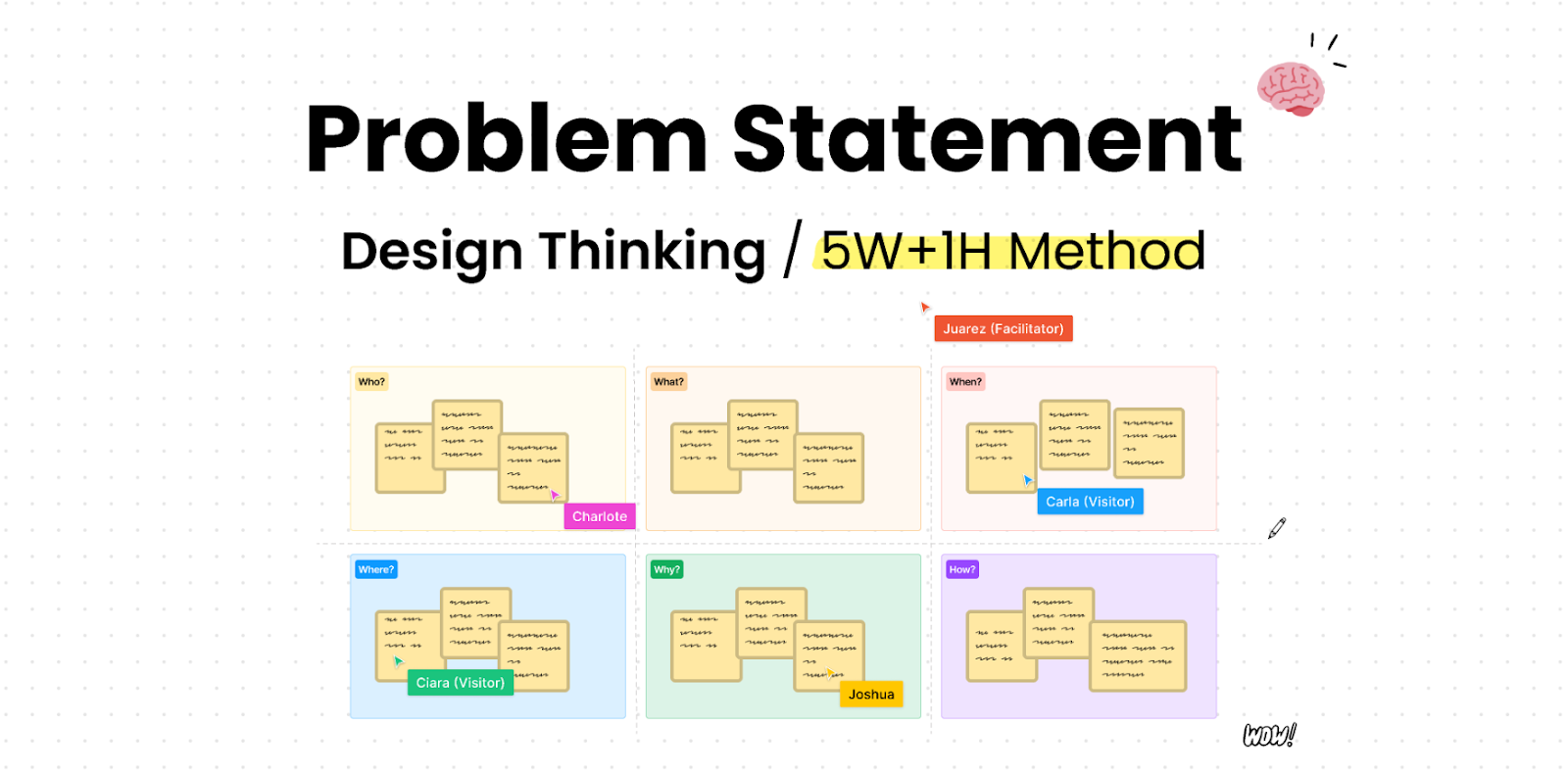
Ask them for examples, competitors, and standard practices, or even a complete explanation of the process:
- How does it work?
- What is missing?
- What do they usually use the product for?
- Where do they use it?
- How does it help them with their daily tasks?
Don’t be afraid to ask “silly” questions. You must fully understand what you will do, so you need help to be able to help the client with your design work in turn.
Tip: It may be tempting to use AI tools, but you need specific and reliable information–and LLMs tend to struggle with that.
Hands-on!
Field research
One of the first steps every designer takes when feeling stuck with a feature, flow or product is to look for examples. Think outside the box. You can find inspiration in the most surprising places.
For example, while working on a network management platform, we struggled to find a way to represent and communicate how two objects were connected as if they were talking to each other in a very complex product. After proposing unsuccessful solutions and being stuck for a while, I remembered the directions feature in Google Maps, which helped us have a new point of view on how to approach the whole thing.
Don’t limit yourself to digital solutions, either. The world is full of genius solutions to all kinds of problems. Check everything around you. Take as an example something as simple as Velcro. The guy who invented it took the idea from burdock burrs, a seed that gets hooked to fur, hair, and fabric (and is extremely annoying). He saw those guys were hard to get rid of but still possible. So, he spent a lot of time trying to replicate the behavior.
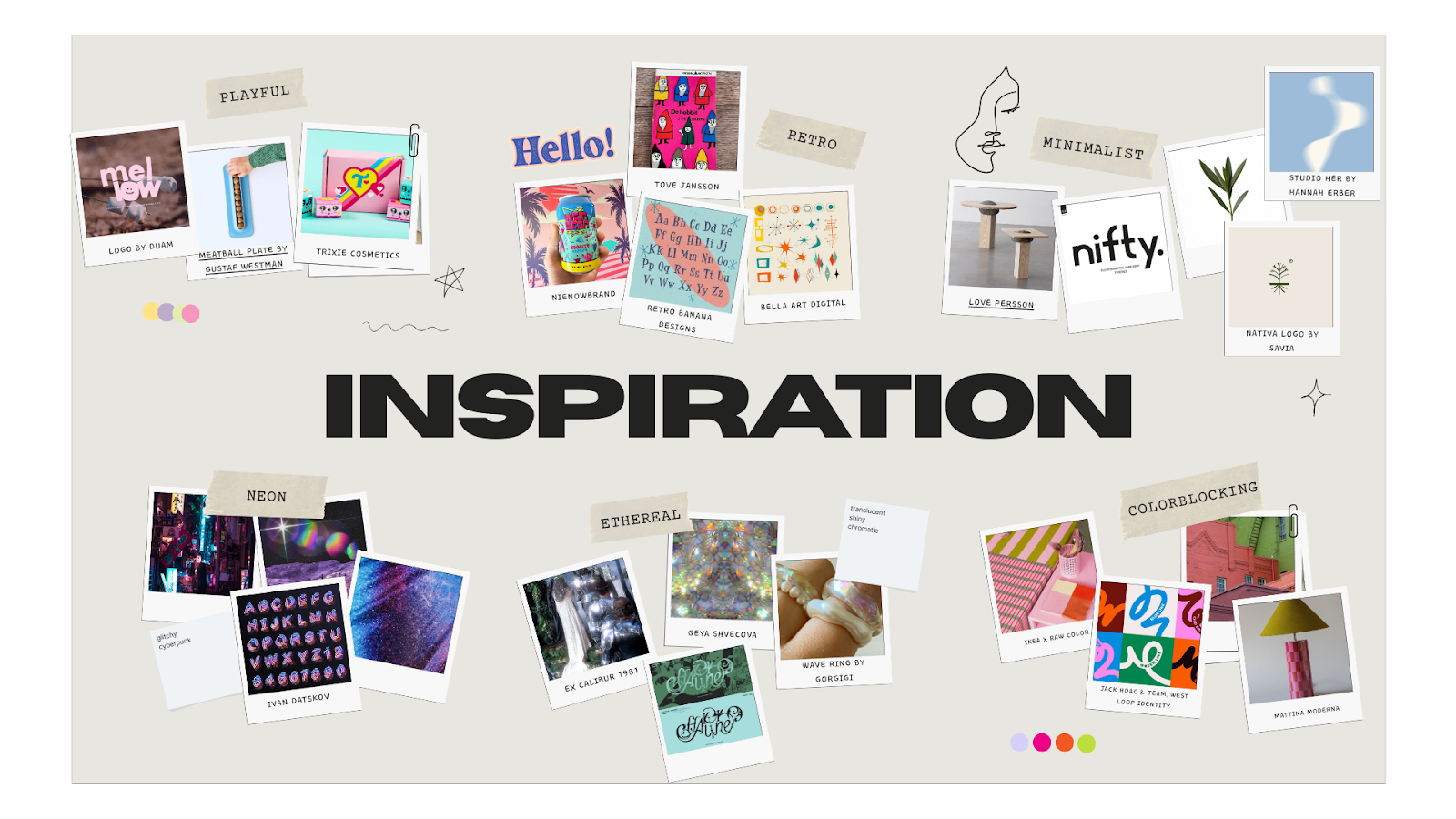
If you want more examples like the one above, we recommend the book Evolutionary Ideas by Sam Tatam. You can also check out this podcast, where they discuss the topic and the book.
Tip: The trick is not to copy what you find but to get inspired and find a way to adapt an old solution to a new problem creatively and effectively.
Rubber ducking
This is an ancient technique used by developers to debug their code. The idea goes like this: first, you get a rubber duck and place it in your workspace. Then, whenever you struggle with something, you explain the problem you are trying to solve to the plastic guy in plain language. While explaining it, the solution will show up.
I have two rubber-duck stand-ins on my desk, a Bolivian Ekeko, and a Dwight Shrute's Funko - they are great co-workers.

Ideate together
Another great way to get unstuck or get new ideas and approaches to a problem is to ideate with others. It can be your co-workers, the client, or anybody who has some knowledge of the issue you are trying to solve.
There are a lot of ways to approach this situation. The easiest option is to do it with the team you are working with. They have the knowledge and may even have some ideas on improving things. You will save some time explaining the context, but the ideas can be biased.
So, what I like the most is to involve outsiders in the project while always being mindful of NDAs. Reach out to people not directly involved in the project and explain the basics to them so they can understand the issue. This will trigger a variety of colorful ideas. Many may not be relevant to the project, but others could prove valuable and give you a fresh perspective.
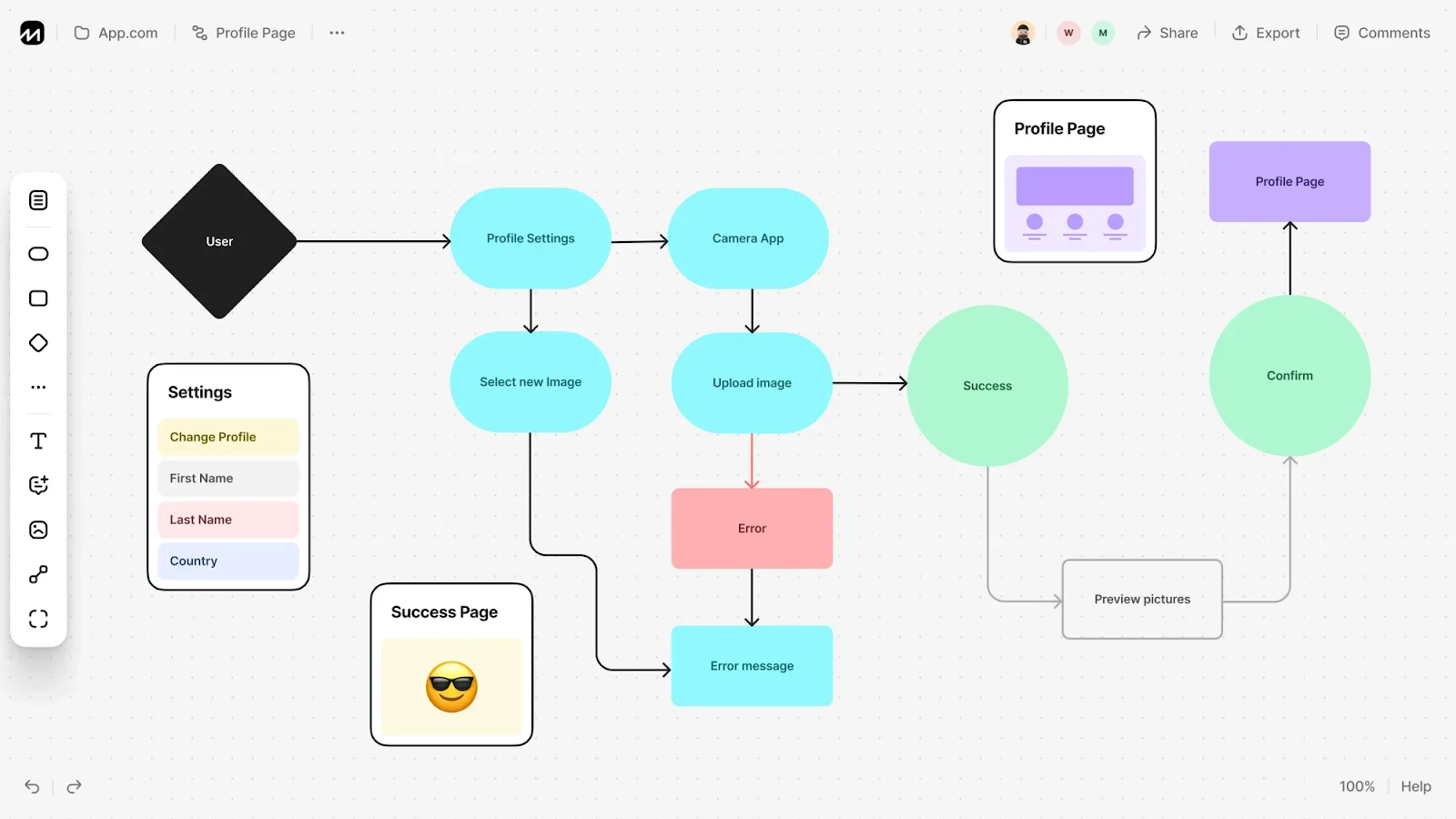
How you approach the exercise is up to you and the time available. Some options include jumping right into a collaborative tool (like FigJam or Miro) to draw rough rectangles while discussing over a voice call (if remote). Alternatively, you could organize a crazy-8s workshop with the client or the group of outsiders you have found.
Closing and summary
Long story short, you need to immerse yourself in the new field and solve problems you were unaware of. To do so, we recommend you to:
- Conduct an Intro Workshop with the client or stakeholders involved.
- Talk with the people who know about it. Internal or external experts.
- Look for inspiration in other fields. Digital and physical.
- Explain the problem to someone else or even to yourself.
- Share the ideation journey with others.
Need some help?
At UX studio, we offer training, workshops and UX consultancy where we share our collective experience and arm you with tips and tricks. Get in touch with us, and let’s discuss your current challenges!
Credits
This blog post was written by Agustin Diaz, product designer
Editing by Dr. Johanna Székelyhidi, marketing manager and copywriter