Your shortlist of top UK app developers (and how to actually evaluate them)

We put together this guide to help business owners and decision makers find a reliable app development agency in the UK.
We believe that just scrolling through a listing of app developers isn’t really helpful, so we included tips on how to identify the best match for your business, what questions to ask, and how to prepare for a call.
The best UK app developers
When reviewing agencies, the first thing to clarify is the scope of services you need.
- Full-service agencies offer design, development, and strategy to build your idea from sketch.
- Development-only agencies expect clients to arrive with designs and specs already at hand.
- Specialist agencies can be platform-specific or sector-specific. If your niche requires specific expertise, this is your best bet.
Let’s review our top picks for each of these.
Top full-service app development agencies
1. Studio Graphene
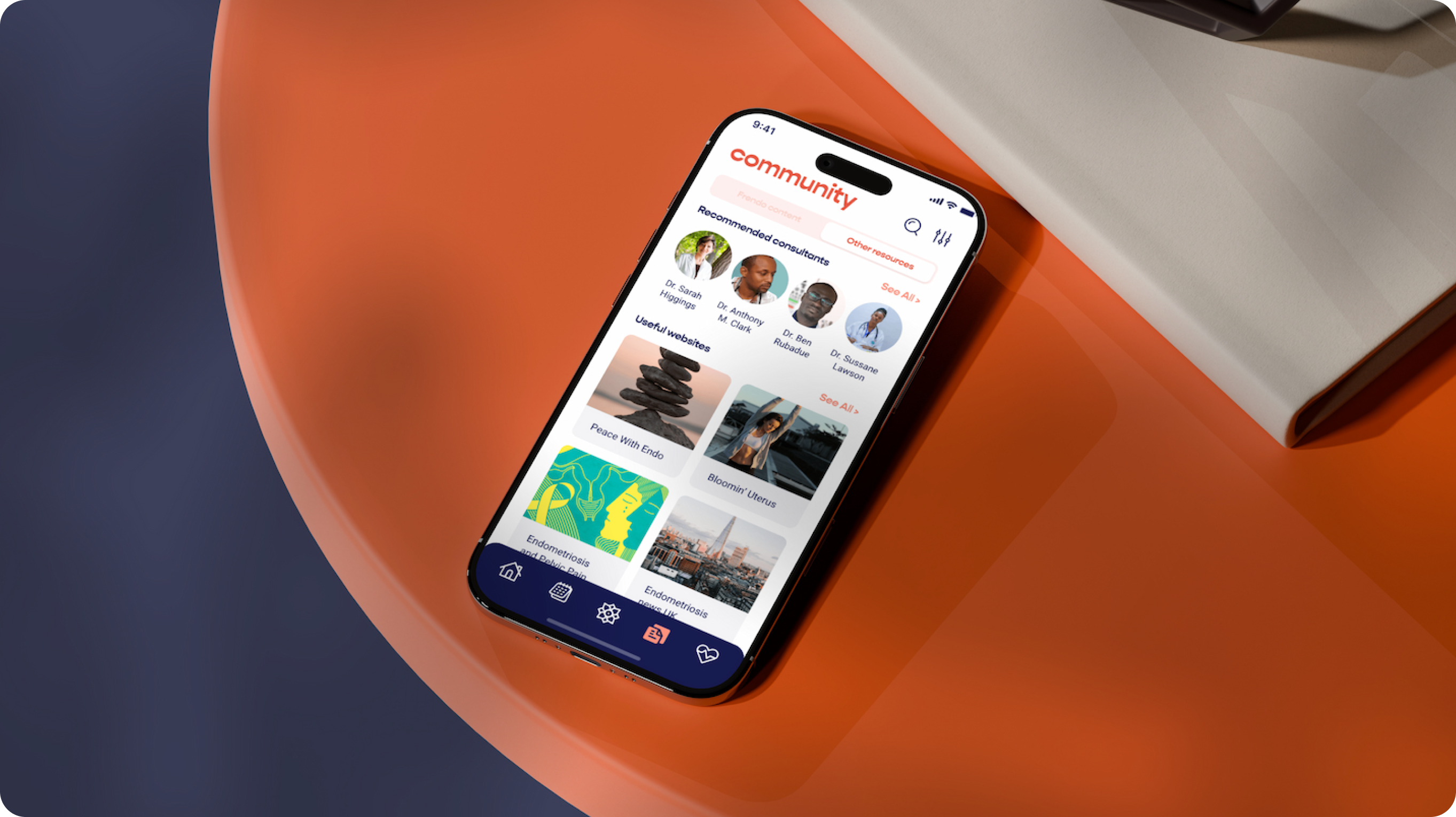
Studio Graphene designs and builds digital products, with a particular focus on AI development, custom software, and mobile apps. They build AI into their product architecture from the start rather than bolt it on later as an added feature, giving substance to their AI-native positioning.
- HQ: London, Delhi, Lisbon, Geneva
- Team size: 100-150
- Main services: discovery, app design, development, AI labs
- Price: reasonable, around £40-70 / hr
- Best fit for: AI projects, acceleration
2. Browser
.png)
A mid-sized UX agency with 15+ years in the field, Browser London is most active in data-heavy sectors. They're less useful if you just need quick execution, but a match made in heaven if you’re ready to invest into defining problems. Consequently, their clients tend to be organisations with operational complexity rather than consumer-facing startups.
- HQ: London
- Team size: 11-50
- Main services: app design, UX research, training, development
- Price: premium, around £75-135 / hr
- Best fit for: regulated, data-heavy, or operationally complex sectors
3. UX studio
.png)
Rather than quoting day rates or scoping individual projects, UX studio operates on a subscription basis: you get an embedded UX team for as long as you need one. They're based in Budapest, which makes them a cost-effective option for UK SaaS teams comfortable working with Eastern European agencies, a pairing that's become fairly standard in the app design space.
- HQ: Budapest, remote availability
- Team size: 11-50
- Main services: app design, UX research, consultancy, development
- Price: reasonable, around £40-70 / hr
- Best fit for: strategic partnerships, B2B SaaS, webapps
Top development-only agencies
1. Waracle
.png)
Waracle is a great pick if your project is technically ambitious and your organisation is large enough to have a procurement process. Their app design agency works almost exclusively with enterprise clients in sectors where reliability and security matter more than speed or price. Reviewers flag design as a secondary strength, so this is a better fit if you need engineer help only.
- HQ: London, Edinburgh, Glasgow, Dundee
- Team size: 50–250
- Main services: product development, data & AI, platforms, strategy
- Price: premium, around £120–160/hr
- Best fit for: enterprise,technically complex builds
2. Chilliapple

If your project involves Magento, Shopify, Adobe Commerce, or a complex multi-store setup, Chilliapple is one of the more experienced options on this list. They built their reputation on eCommerce delivery before expanding into bespoke software and AI.
- HQ: Tunbridge Wells, with a London office
- Team size: 50–249
- Main services: eCommerce development, bespoke software, mobile apps, AI integration, support & maintenance
- Price: reasonable, around £40–80/hr
- Best fit for: eCommerce builds, SMEs
3. Apadmi
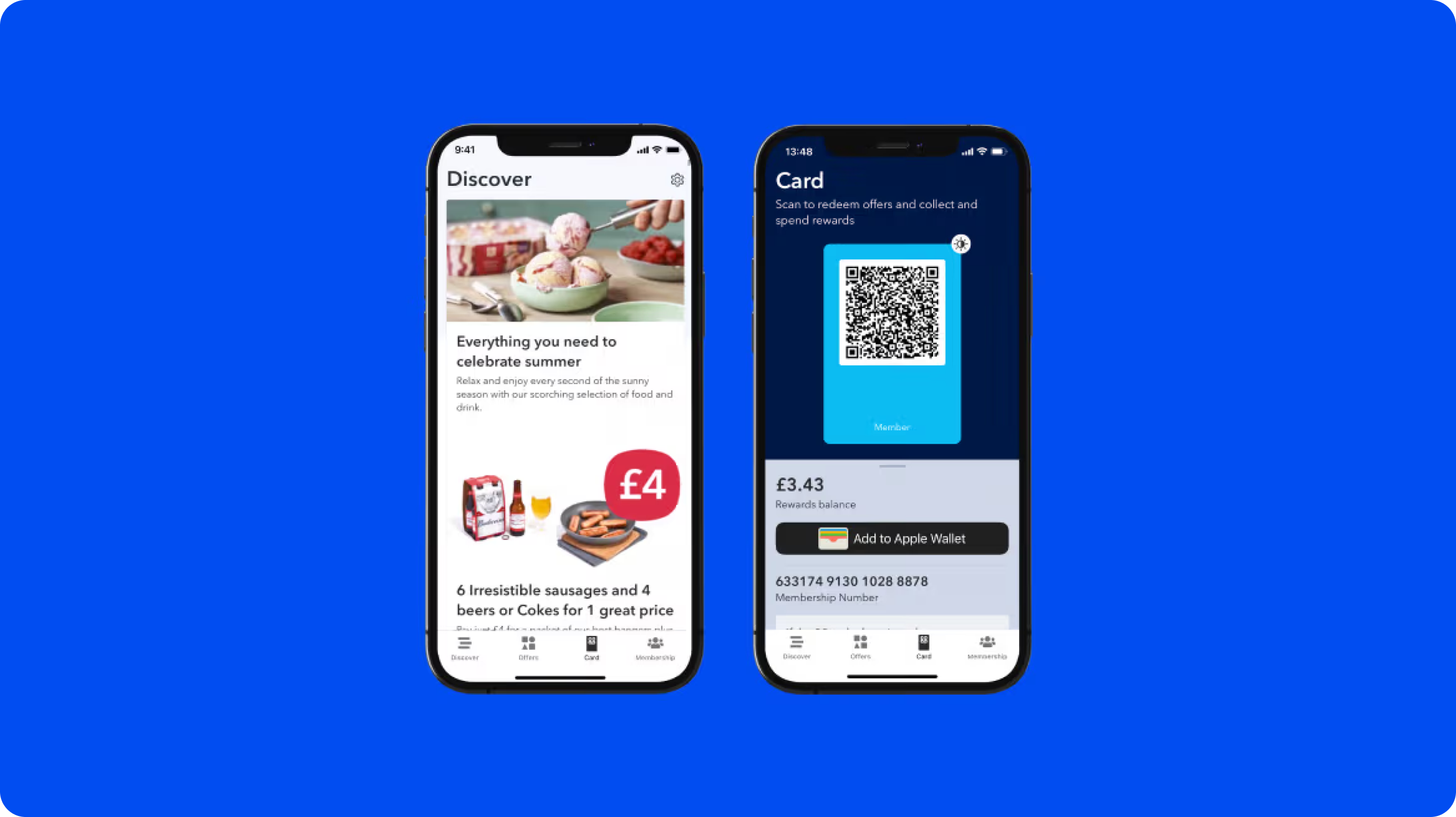
Apadmi is among the largest app studios on this list. they have the capacity to resource large, complex builds without the coordination risk of a smaller studio. Their portfolio includes apps that perform at scale for millions of users, built for brands such as BBC iPlayer Radio, Domino's, Argos, and Vodafone.
- HQ: Manchester, with offices in London, Edinburgh, Amsterdam
- Team size: 400+
- Main services: mobile app development, system integrations, UX/UI design, data & analytics, app optimisation
- Price: premium, around £80–120/hr
- Best fit for: B2C, high-traffic retail and media products
Specialist agencies
1. Foresight Mobile
Most app agencies route you through account managers. Foresight Mobile's pitch is direct access to senior engineers: the same person who plans your architecture writes your code. They're a Flutter specialist studio with a fixed-price App Gameplan (£3,500 for a 4-week discovery), which is a low-risk entry point for businesses still scoping a project.
- HQ: Manchester, with offices in Birmingham and London
- Team size: 10–49
- Main services: Flutter and React Native development, native iOS/Android, AI mobile, SDK development, App Care, App Rescue
- Price: reasonable, around £40–80/hr
- Best fit for: mobile-first projects needing senior technical ownership
2. 3 Sided Cube
.png)
3 Sided Cube is the go-to app agency for tech-for-good projects in the UK. Their work with the American Red Cross, RNLI, and UNHCR is well-documented and credible. More recently, they've moved into AI integration and custom LLMs, which broadens their scope beyond social-sector purists. They're ISO and Cyber Essentials accredited, relevant if your organisation handles sensitive data.
- HQ: Bournemouth
- Team size: 50–249
- Main services: mobile apps, web applications, custom software, AI integration, automation workflows
- Price: premium, around £80–120/hr
- Best fit for: nonprofits, public sector, environmental and humanitarian organisations
3. Hedgehog Lab
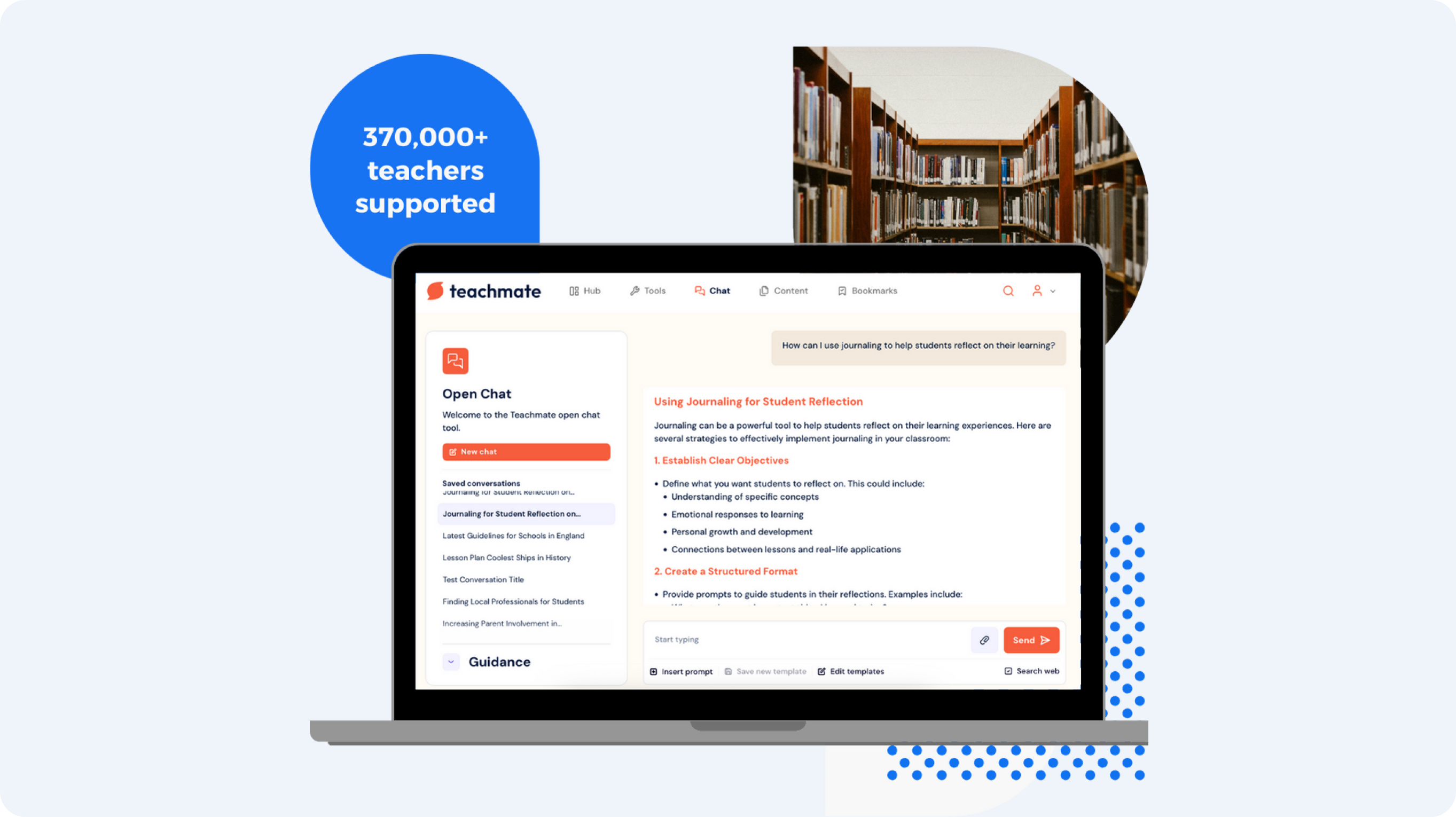
What distinguishes Hedgehog Lab from most agencies on this list is how they scope work: by goals and objectives rather than feature lists. In practice that means they push back on briefs and measure success against business outcomes rather than deliverables. Note that they had a recent change in CEOs, so strategical direction may change.
- HQ: Newcastle, with hubs in Leeds, Edinburgh, London, and Sofia
- Team size: 50–249
- Main services: mobile app development, web development, UX/UI design, AI development, digital strategy
- Price: mid-to-premium, around £60–100/hr
- Best fit for: enterprise clients wanting a long-term development partner, fintech, healthcare
What to look for when evaluating UK app development agencies
Having a shortlist is all fine and dandy, but the real work starts after. Whether you’re using AI to compare agencies or you’re making your own sheet, we suggest considering the following 5 criteria.
1. Relevant portfolio work
Starting with the obvious, past client work tells you more about an agency’s sector experience than their marketing copy.
When reviewing portfolios, look for three things:
- sector match (have they built something in your industry or adjacent to it?),
- complexity match (is the scale of their past work comparable to yours?),
- and problem framing (does the case study start with a business problem, or does it go straight to screenshots?).
Most agencies cherry-pick their best work for their website. Don’t forget that you can always ask for additional material.
2. Tech stack transparency
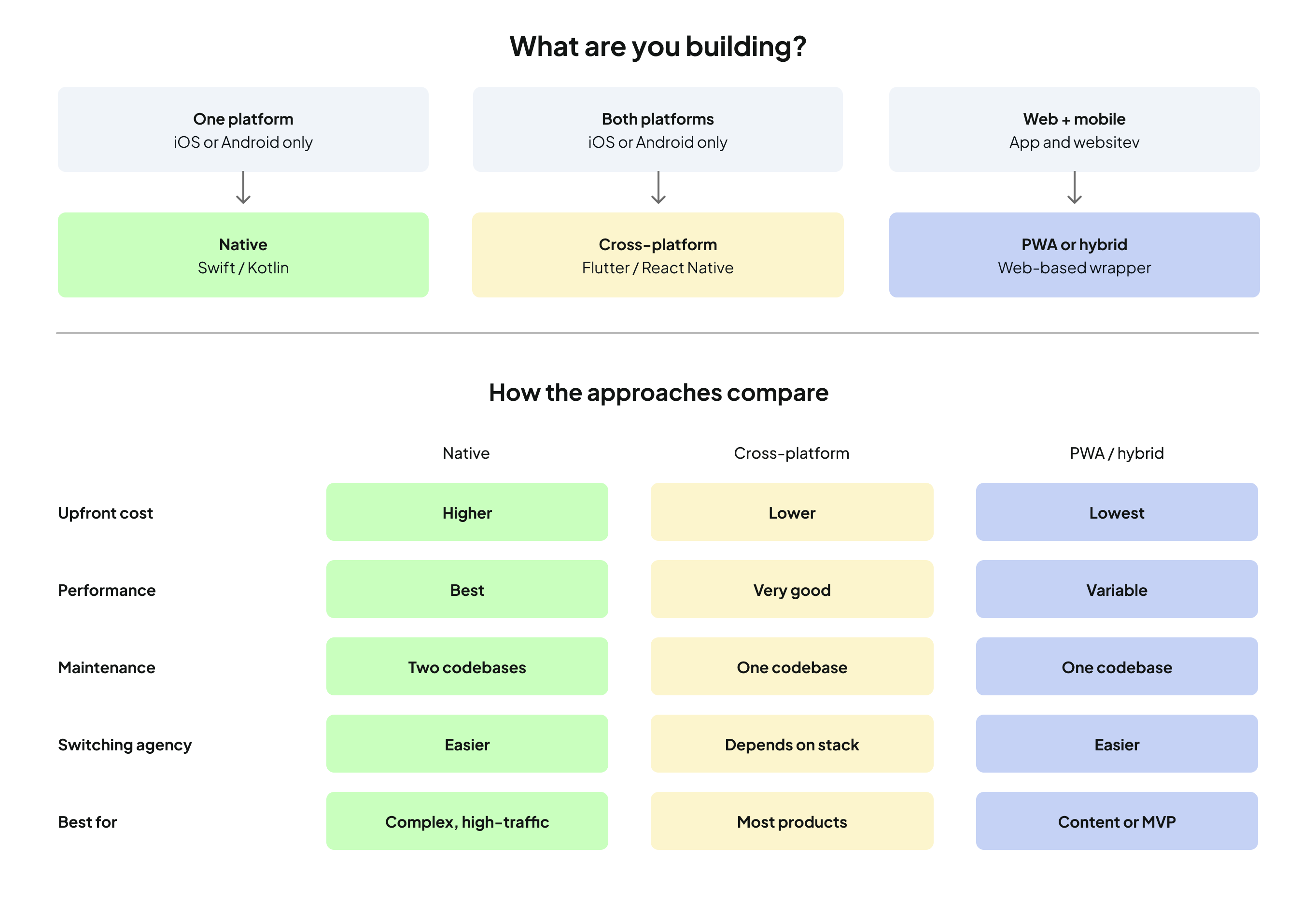
The technology an agency builds on affects your costs, flexibility. You don't need to become a developer to evaluate this, but you should know enough to ask the right questions.
The two decisions that matter most are: native vs cross-platform (how your app is built) and vendor lock-in (how easy it is to leave). Agencies don’t always surface these conversations unprompted, particularly if their preferred stack isn’t actually the best fit for your brief.
Use the guide below to understand your options before the first call.
Questions to ask any app developer agency before you commit:
- Why are you recommending this stack for my specific brief?
Watch for agencies that push one stack regardless of your needs. - Who owns the code, and can we take it elsewhere?
You should own your repository. Confirm this in the contract. - What does a handover look like if we part ways?
Good agencies have a documented offboarding process. - Can you show us a shipped app built on this stack?
Portfolio examples beat any sales claim about stack expertise. - What does maintenance cost after launch?
OS updates, security patches, and new device support add up.
3. QA and testing process
Bugs found in development cost a fraction of what they cost after launch. A reliable app agency tests continuously and should be able to describe exactly how they do it without prompting.
Ask: at what stages do you test, and who does it? The answer you want is structured QA at every major milestone, with clear accountability. Be cautious of agencies that treat testing as a final checkbox rather than an ongoing discipline; it usually means you'll be doing a lot of bug reporting yourself after handover.
A few specifics worth asking about:
- device coverage (how many and which devices do they test on?),
- regression testing (when new features are added, do they recheck existing ones?),
- and usability testing (do they validate with real users before shipping, or just internally?)
The latter is especially important, if you ask us. You need a person who talks to your actual user, and can give you first-hand data on how your target audience uses the app. If you’re able to involve a UX researcher early, your conversion and retention rates will thank you later.
4. Engagement model
Your selected app agency's engagement model should match where you are as a business, not just the size of your project. Three things are worth exploring before you sign anything.
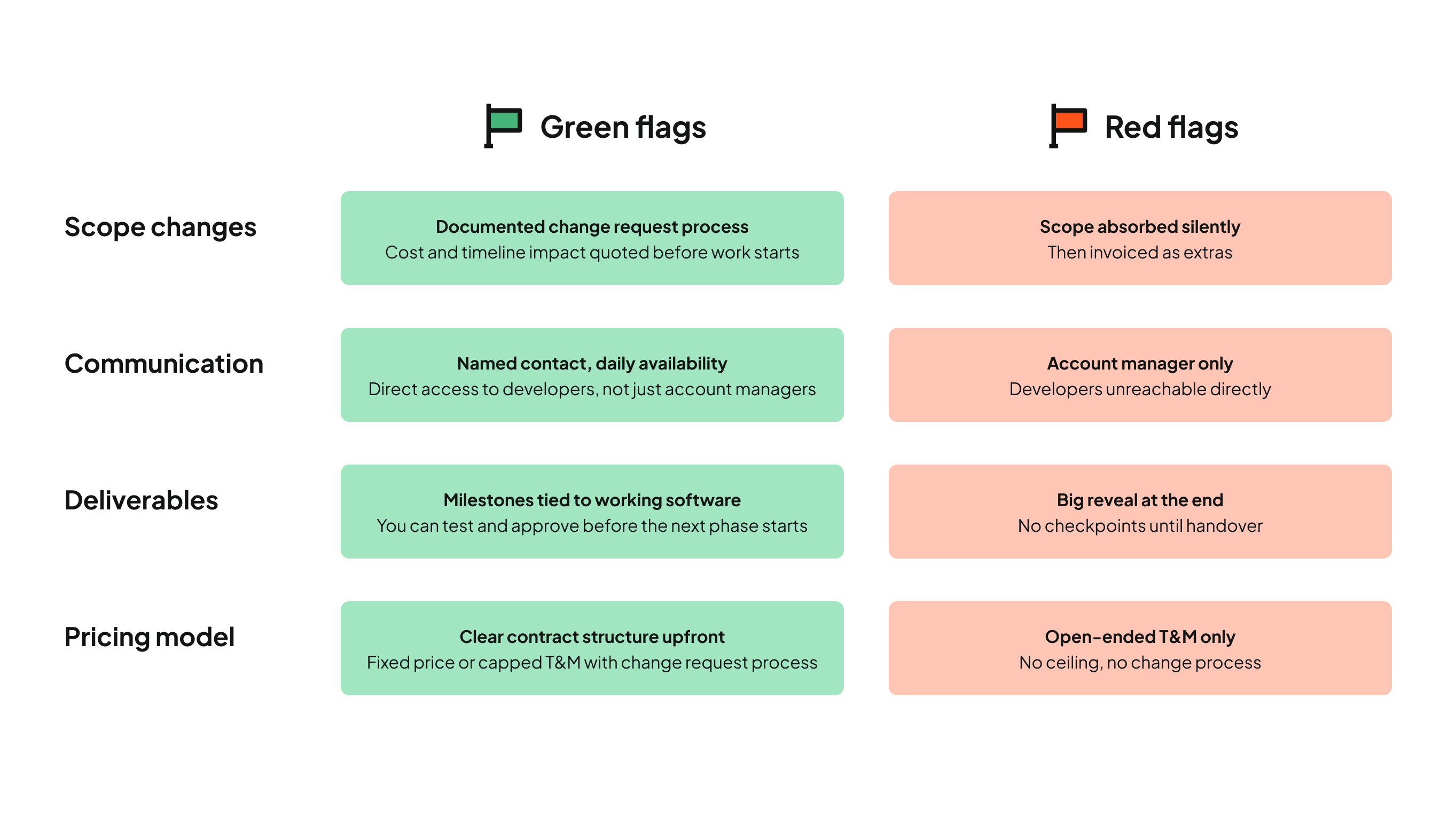
- How they handle scope changes tells you almost everything about how a project will feel at month three. Ask explicitly: what happens if we need to change something mid-build? A good agency has a documented process; cost and timeline impact should get quoted before the work happens.
- What communication looks like during the build is worth verifying against their reviews. Direct access to developers (daily, through a shared Slack or equivalent) is a realistic expectation, as embedded product teams are becoming more common. If all communication is routed through an account manager, information gets filtered and decisions slow down.
- How deliverables are structured determines how much control you have. Milestones tied to working software you can test and approve are far better than a single handover at the end. The latter gives you very little leverage if something has gone wrong.
We collected green and red flags to look out for below.
5. Post-launch support
Most app development agencies close the engagement at handover, but the real costs often start after launch. OS updates, security patches, new device compatibility, and feature requests don't stop once the app is live.
Before you sign, ask: do you offer ongoing maintenance, and what does it include? Ideally, you’d get a structured retainer with a named contact, clear SLA for critical issues, and transparent monthly costs. What to avoid is a vague "we're available" with no defined response time or pricing.
If you're in a regulated sector or your app handles sensitive data, ask specifically about security patch timelines. How quickly they respond to a known vulnerability matters more than almost anything else in the support conversation.
What to prepare before you approach an app development agency
We’ve listed above what you need from an agency to discuss a potential collaboration. Here’s what they need from you to give you an accurate quote and roadmap.
- A clear definition of the user problem and who the product is for
- Collect whatever information you can comfortably share, from reviews to support tickets. If you have a recent UX audit, you’re set up for success.
- User flows and wireframes, or at minimum annotated sketches
- This is what most agencies use to scope accurately.
- A tested prototype if you have one
- Validation at this stage is cheaper than changes during development.
- A design system or at least a visual direction
- Reduces ambiguity during the build.
- A prioritised feature set
- What's in scope for the first version. Use our feature prioritization playbook to find the best methods.
This list, of course, describes a best-case scenario. App development agencies can work without these things, but the estimate will be broader.
What about UK app development costs?
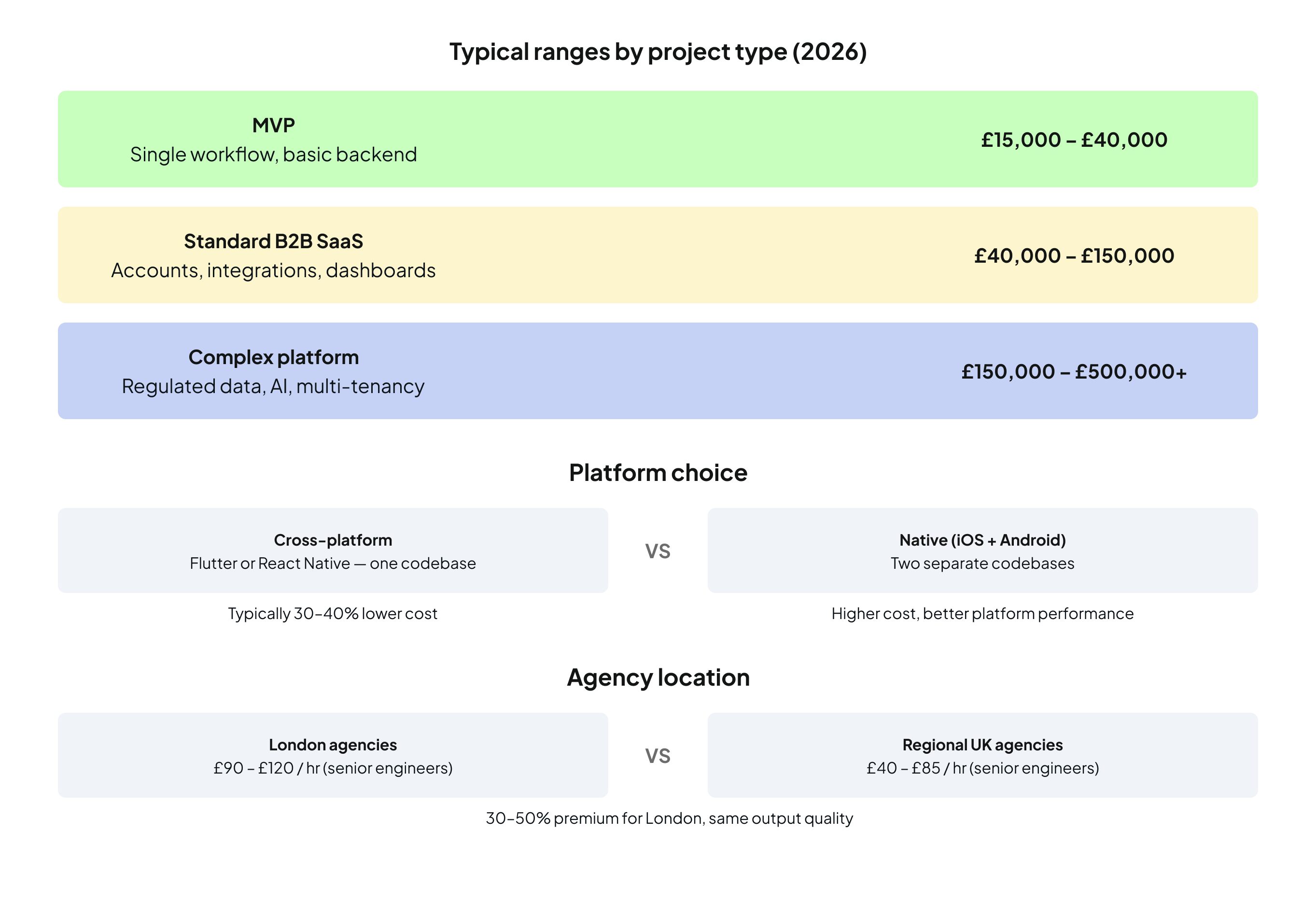
Cost is the question every buyer has and few agencies can answer without the materials listed above. Still, you may need to get a good estimate before jumping on a call or asking for an RSP. Here's an honest 2026 benchmark to help you out.
What does a B2B SaaS app cost in the UK?
For most mid-market builds (user accounts, a handful of integrations, a polished interface) the realistic range in 2026 is £40,000 to £150,000.
This range widens at both ends: a focused MVP can come in under £40,000, while a complex platform with regulated data, AI features, or extensive third-party integrations will push well beyond £150,000.
What drives the variation?
Four factors move the number more than anything else:
- complexity of the backend,
- platform choice,
- design maturity of your brief,
- and where the agency is based.
London agencies charge 30–50% more than regional UK equivalents for equivalent work, not because the output is better, but because their cost base is higher.
If you go beyond the borders, you can cut costs further. Eastern-European agencies like UX studio are among the more practical solutions, and you don’t have to compromise cultural fit or language proficiency.
Why do two agencies quote so differently for the same project?
Usually because they've made different assumptions about scope. A low quote on an underspecified brief isn't necessarily a bargain: it could just be a deferred conversation. The gap tends to surface later as change requests, reduced scope, or timeline slippage.
What makes an estimate trustworthy?
The tighter your brief, the tighter the quote. Arriving with validated designs and a clear spec significantly narrows the range.
It’s worth knowing that most businesses underestimate total costs; hosting, maintenance, and early technical debt are rarely calculated into the budget. We suggest reading this blogpost by DesignRush to help you create a more accurate calculation.
Conclusion
We hope that this post helped you have a clearer sense of what you're looking for, and what questions to ask before you commit to anyone.
If B2B SaaS is your world and you’d ratUXher have an embedded UX team than manage another agency relationship through a PM, we'd be happy to talk. We're UX studio, and it's exactly what we do.