The handoff is dead: what replaces it?

Designer-developer handoffs aren’t dead because documentation stopped being useful. They’re dead because too many teams still treat it as the moment when design ends and development begins.
I have seen this on large product teams where projects involved multiple stakeholders, technical dependencies, and business constraints. Design would explore a direction, align on it with stakeholders, and refine it until it felt close to finished.
Then development would enter later and point out things that had not been visible from the design side. This usually meant going back, reworking decisions, and losing time we didn’t have.
The problem is not the handoff itself, but the fact that some of the most important conversations take place at the last minute.
The traditional handoff happens too late
In the traditional model, design does most of the thinking first and development gets involved once the solution is ready.
This approach can work for simple problems. But as products get more complex, the timing becomes trickier.
The issue is rarely whether the idea can be built. Most ideas can be built somehow. The issue is whether the team is discovering the right information early enough to make the best decisions.
That is where the nasty surprises usually come from:
- a flow that looks simple in Figma becomes more complex in code
- an assumption about implementation turns out to be wrong
- a technical dependency changes the direction of the solution
- a detail that felt small in design becomes a bigger issue later
But there are ways to build a smooth collaboration that avoids rework and unnecessary back and forth.
Remember that designers and developers solve different parts of the same problem
Developers need to have the ability to shape the solution before the team goes too far in one direction.
It doesn’t mean that developers should be approving designs, but contributing to it with insight. When you involve developers earlier, they can point out issues and opportunities design might miss. It’s because design and development look at the same problem differently:
- Design brings the user perspective, the flow, the interaction, and the overall experience.
- Development brings technical context, implementation knowledge, and an understanding of how the product actually works.
These perspectives complement each other. In my experience, some of the best developer feedback is something like: “this can work, but there’s a better way to get there.” Solid feedback can uncover risks and open up better solutions.
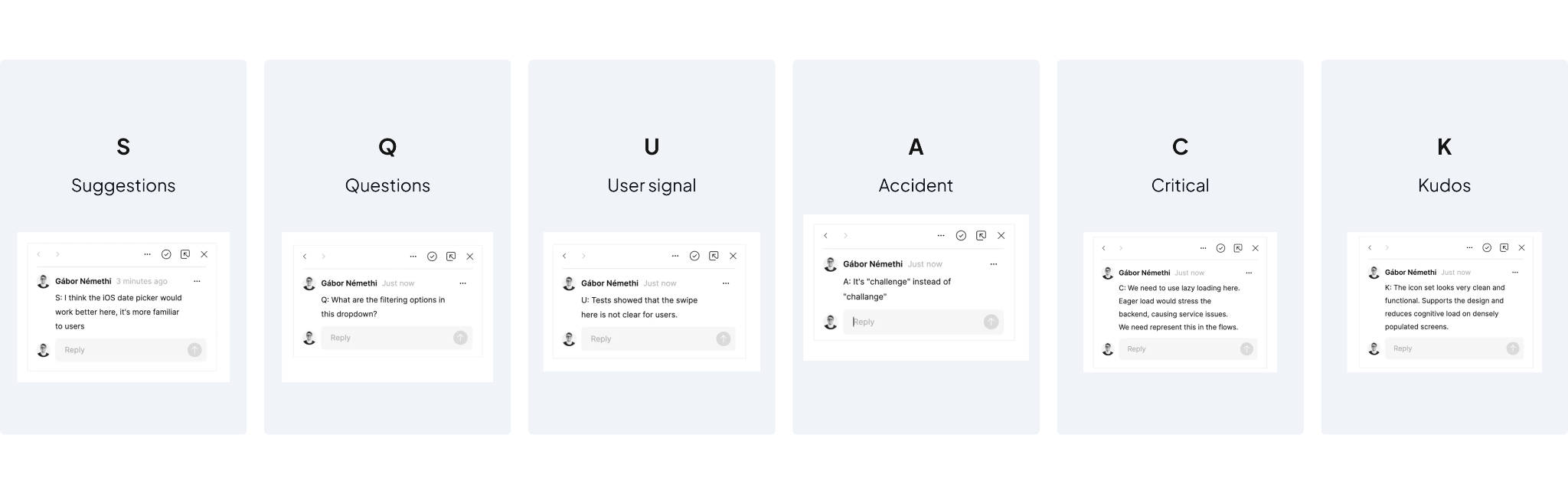
- The best feedback (whether it’s positive, negative or neutral) is clear and actionable, and reflects on the presented design (doesn’t get off-topic.)
- Bad feedback is shallow, unfocused, and detached, and often lacks detail.
- Collaborations fail when the feedback gets personal, subjective, or downright mean-spirited. The goal of feedback is to build trust; feedback that derails a working relationship is not constructive.
We suggest using the SQUACK model for productive designer-developer feedback rounds.
Continuous collaboration reduces surprises
Every team makes assumptions. Designers make assumptions about implementation. Developers make assumptions about intent. Stakeholders make assumptions about what is needed. The longer those assumptions stay untouched, the more expensive they become.
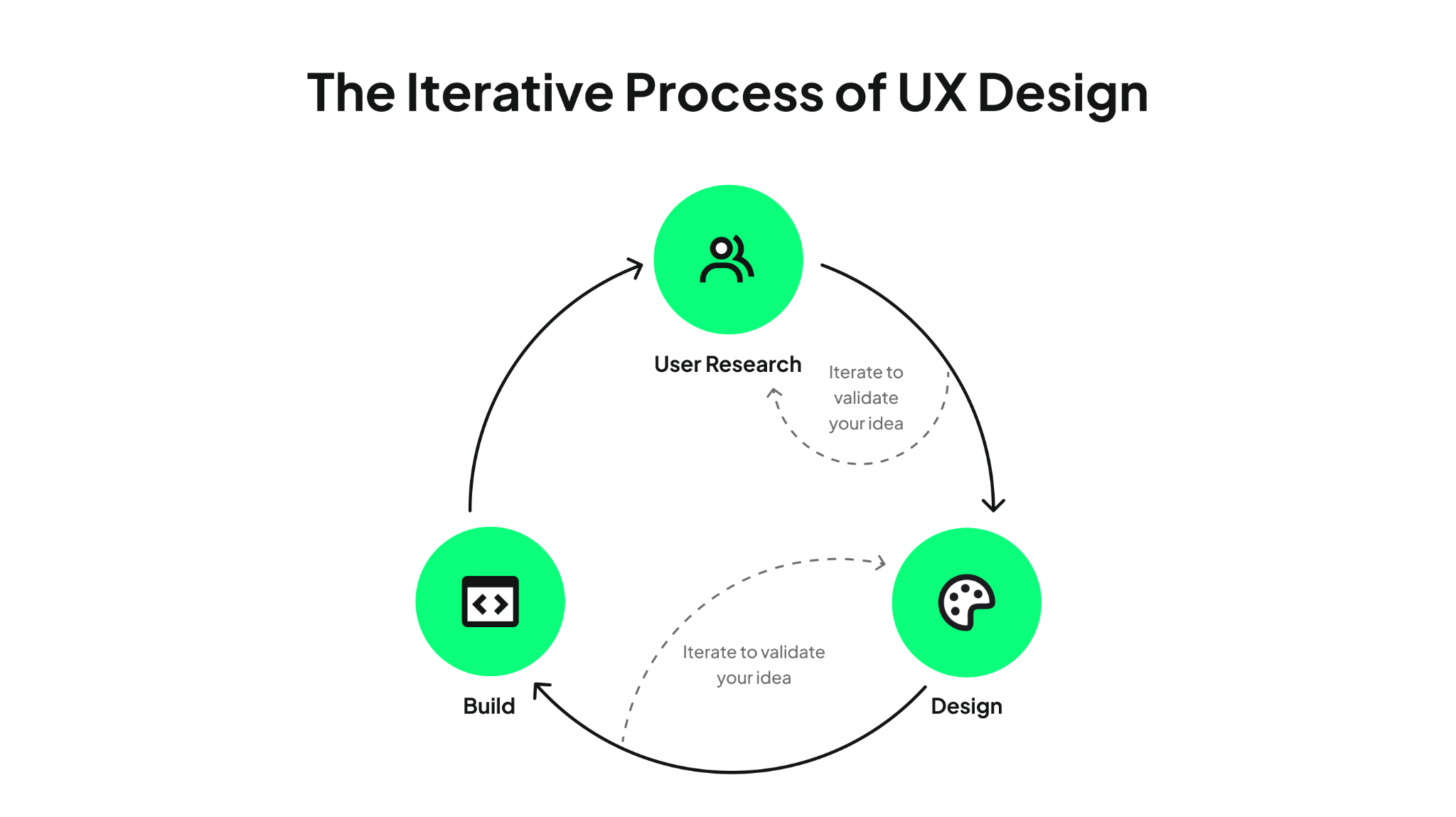
Continuous collaboration gives the team more chances to challenge those assumptions before they turn into problems. It also helps surface opportunities that might otherwise stay invisible until much later.
When different perspectives show up at the right time, the result is more likely to reflect both the original design intent and the reality of implementation.
Loop in a UX researcher if you want to do away with assumptions for good. Even simple methods, such as usability testing is a great reality check that can align designers, developers, stakeholders and users. Don’t wait with tests until after the handover.
Continuous collaboration doesn’t mean constant collaboration
This is where many conversations about UX collaboration go too far.
If the problem with handoffs is that collaboration happens too late, the solution is not to involve everyone in everything, as it only creates a a different kind of problem.
The goal is to bring people in when their input can still change the outcome.
A rough rhythm can look like this:
- Start at the beginning: get together at planning sessions where MVP features, user stories, and milestones are decided.
- Align on shared language early: agree on a definition of ready and definition of done. Use a flexible process framework (like the double diamond) and refine it together until it actually fits how your team works.
- Keep developers in the design loop: invite them into Figma, review implementation at milestones, and build the design system together. Use a shared platform (Jira, Slack, Basecamp) and keep it clean and current.
- Make user research visible to everyone: Personas, user journeys, and user stories should be accessible for the whole team. Pair this with an agile design cycle mindset: experiment, learn, adjust, repeat.
- Schedule regular check-ins to surface weak spots and improve the workflow continuously.
Note: the last point here doesn’t mean endless and pointless meetings. Read on for our tips on effective communication.
As teams grow, communication needs more structure
This becomes even more important as teams get bigger.
In smaller teams, collaboration can stay fairly informal. People talk more often, decisions move faster, and there are fewer moving parts.
As teams grow, that stops being enough. More people means more schedules, more dependencies, and more chances for communication to become inefficient. At that point, collaboration needs more structure.
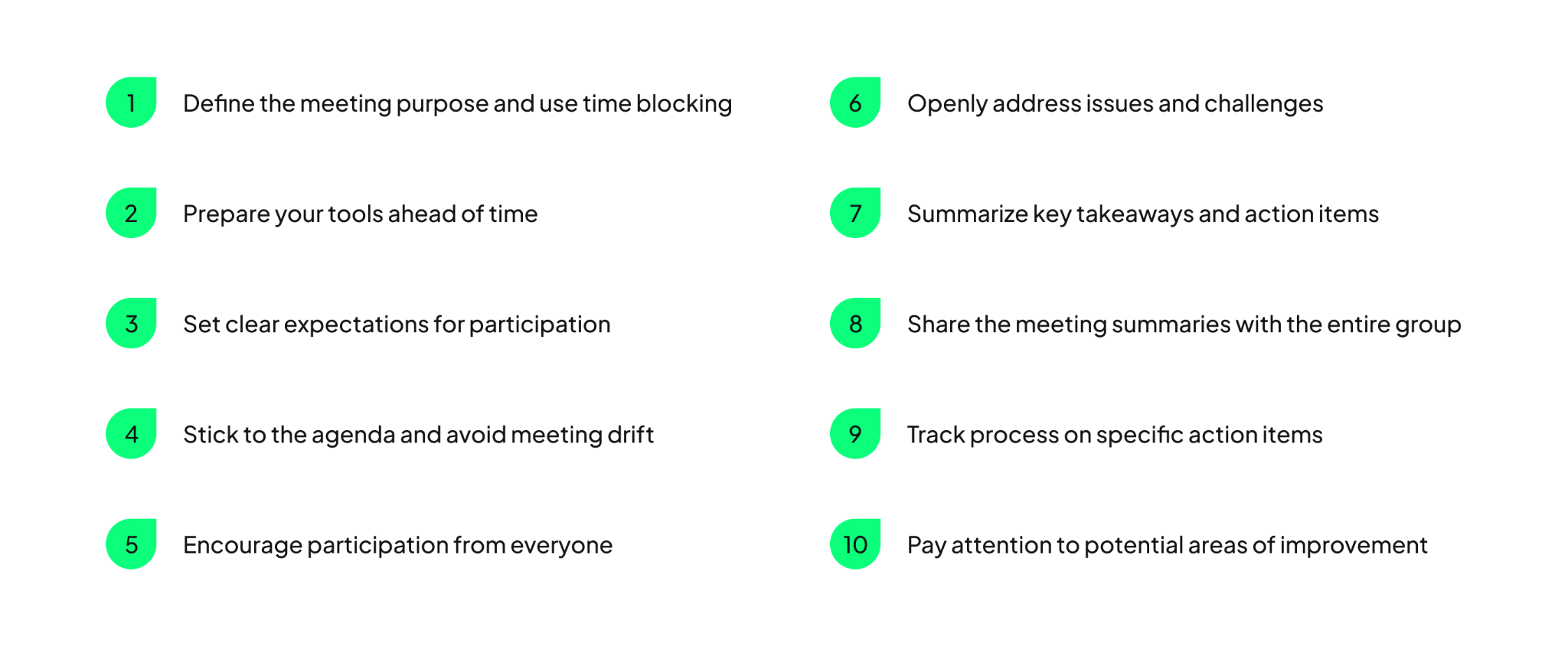
The main thing to do is to be more intentional about the meetings that already exist.
A few things matter more as the team grows:
- each meeting should have a clear purpose
- only the people who can contribute should be in the room
- each stage should have a clear role for design, development, PM, and stakeholders
The bigger the team, the more important this becomes. If everyone joins every conversation, the team starts losing time instead of saving it.
What this looks like in practice
Once implementation starts, questions will come up. Details will need clarification. New constraints will appear. A handoff document helps, but it cannot replace ongoing communication between the people building the product.
Developers don’t need to be part of every design discussion. Designers don’t need to be involved in every implementation decision. What matters is bringing people into the conversation when their perspective can still influence the outcome.
Early in a project, it helps to involve development early enough to catch technical considerations and opportunities the design team may not see yet. That gives design space to explore and refine ideas without turning every step into a group discussion.
As the solution becomes more concrete, development becomes important again to challenge assumptions and spot risks before implementation.
After the handoff, design should still be available to support implementation and protect the original intent.
If there is one practical lesson I have learned from working on larger product teams, it is that collaboration works best when people know when they should be involved and what they are expected to contribute. The teams I have seen succeed are not necessarily the ones with the best processes or the most meetings. They are the ones that create opportunities for different perspectives to shape the solution before it becomes too expensive to change.
That’s ultimately what replaces the traditional handoff: a shared understanding that good products are rarely designed by one team and then delivered to another.
Need a smoother handoff process?
We help product teams work better across design and development, reducing handoff headaches and unnecessary rework. Get in touch to talk about your project.