Design for growth, not just delivery

For Kate Syuma, a seasoned growth advisor and former Head of Growth Design at Miro, growth design is best understood not as a niche specialty, but as what good product design should already be. “Good product design should always be growth-oriented,” she says. “It's not enough anymore to just deliver screens.”
We sat down with Kate to explore growth design, particularly product-led growth strategies.
What is growth design?
To explain what sets growth design apart, Kate often reaches for an analogy. Riffing off the mythical 10x engineer glorified by the tech industry, she prefers to call growth design 5x design: a field that demands equal fluency in user research, data analysis, product management, and product design at once. Not a little of each, but genuine depth across all of them.
It’s a rare combination, and one that suits a certain kind of mind. A self-described generalist, Kate was drawn to the field precisely because of its breadth.
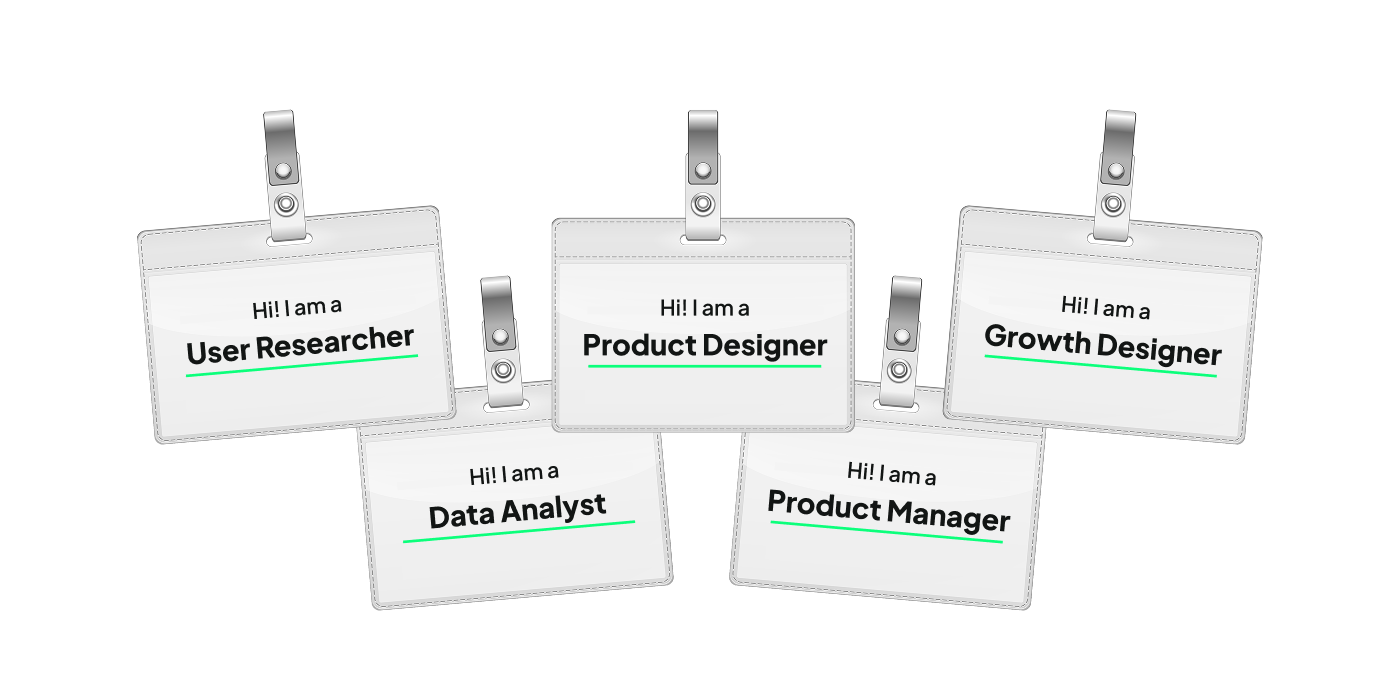
“You just become more flexible to different trade-offs and you understand the perspective of a product manager, or an engineering person,” Kate reflects. It changes how you see your own role.
Flexibility doesn’t mean abandoning design principles. Kate is clear that certain things stay non-negotiable: no poor quality, no dark patterns. But within the boundaries of UX best practices, success starts to look different as you have a better understanding of business considerations.
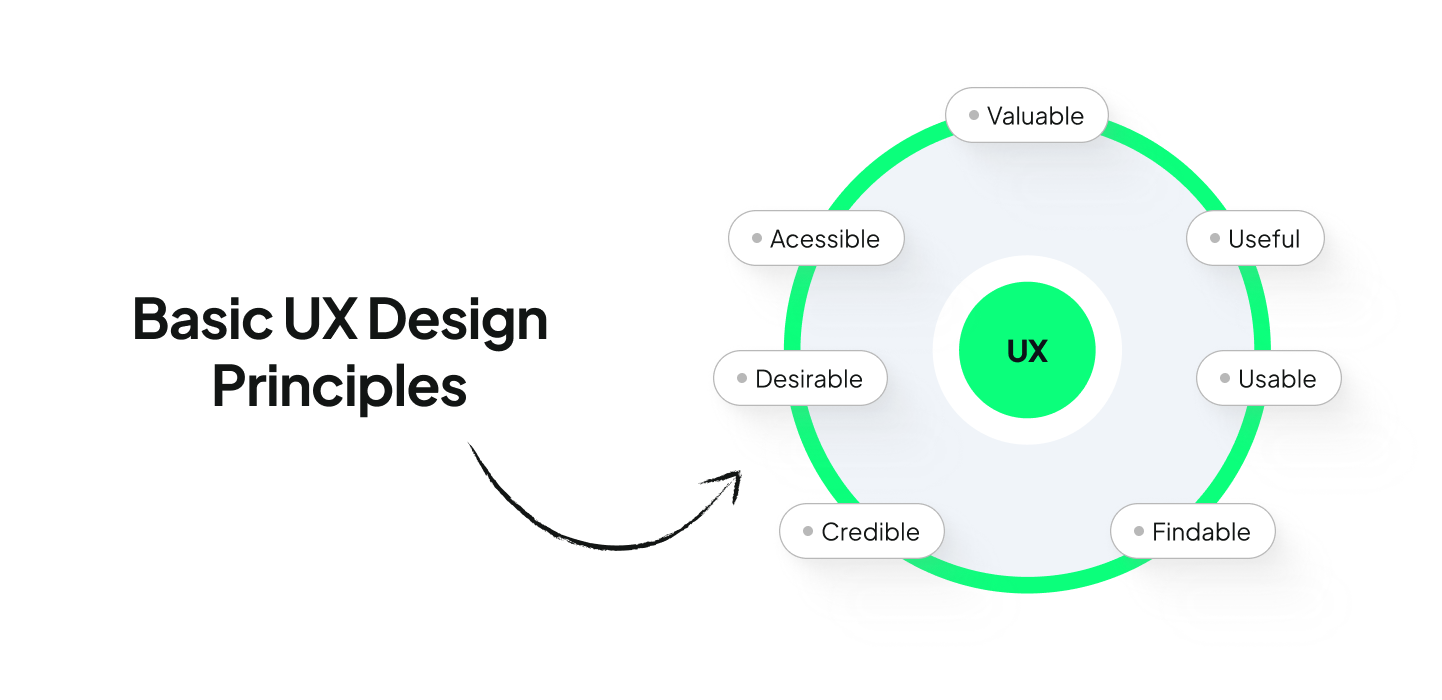
What does product-led growth look like in B2B?
Growth design doesn’t exist in a vacuum: it sits inside a broader strategic model called product-led growth, or PLG. The concept emerged around 2015, when companies in the Bay Area started looking for ways to grow beyond the traditional sales-led playbook.
The traditional B2B model relies on a sales team to find clients, handle deals, and guide users through the product. That works, but it doesn’t scale. If you want to reach millions of users, you can’t have a salesperson explaining your product to each one of them.
Product-led growth flips this. The product itself handles acquisition, conversion, and retention. Users discover the product, subscribe, and pay, all without a human in the loop. “Your product can handle the acquisition part, the purchase, the monetization aspect,” Kate explains. “You don't need a salesperson. You can create a pricing page, a freemium model, a free trial model, or combine all of them.”
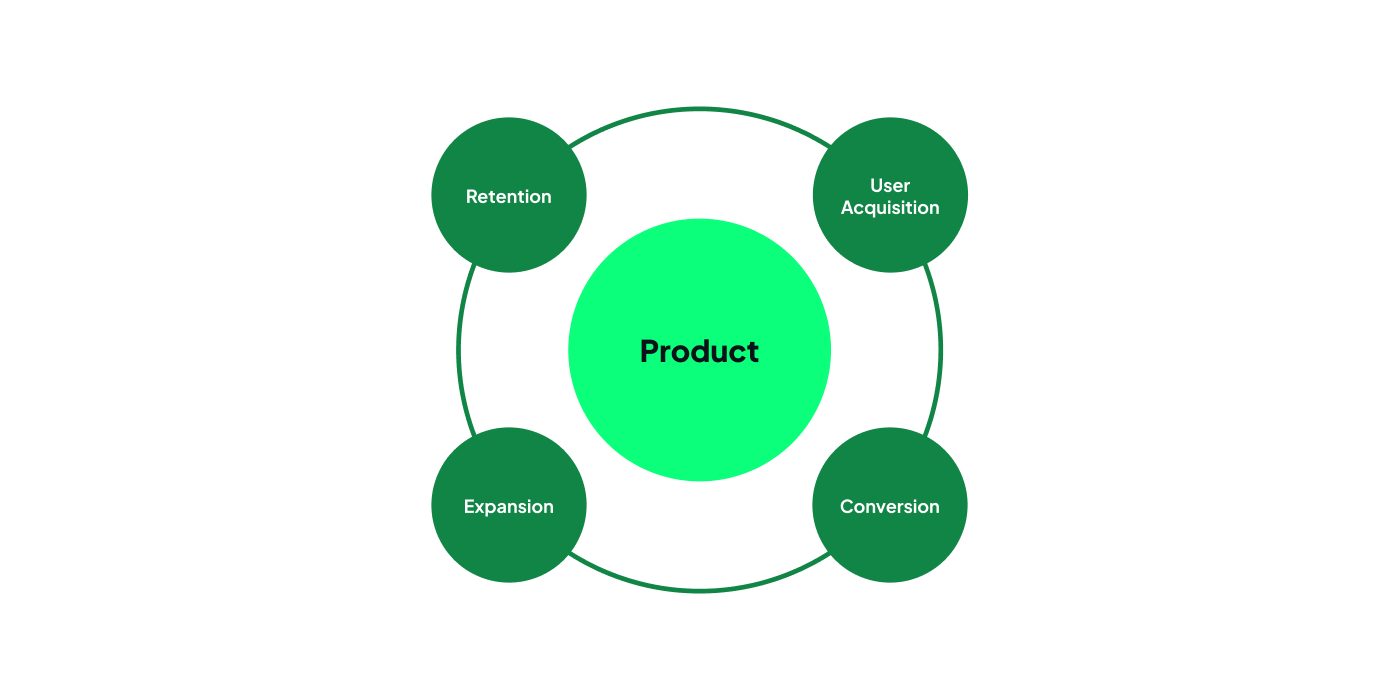
The ultimate goal is to build something sticky enough that users want to stay, want to upgrade, and bring others along with them. Healthy limitations in a free tier give users a reason to pay. Clear in-product messaging does the job a salesperson once did. The product becomes the growth engine.
For a designer, this changes what success looks like, and why the mindset Kate described earlier, flexible enough to hold user needs and business outcomes at once, becomes not just useful, but essential.
How to start designing for growth?
“If in your company or on the product you are working on, there’s an opportunity to do some experimentation or to start thinking about a product-led growth model, it’s an opportunity to become a growth designer,” Kate says.
This requires a mindset shift. Designers are prone to approach problems thinking that their job is to find a solution as soon as possible, but Kate advises against it. “You need to start thinking about the hypotheses first: what you’re going to test, what you’re going to validate,” she advises. “Until you define the hypotheses and align them with your team, don’t dive into solutions.”
The usual process of discovery, prototyping and usability testing is a great start, but may not be enough for this. Growth design operates at a larger scale and with more production data. Usability testing gives you qualitative signals from maybe 10–20 people. A live experiment, such as an MVP launch, gives you behavioral data from thousands or millions of real users, in real conditions. (Well--if you're lucky.)
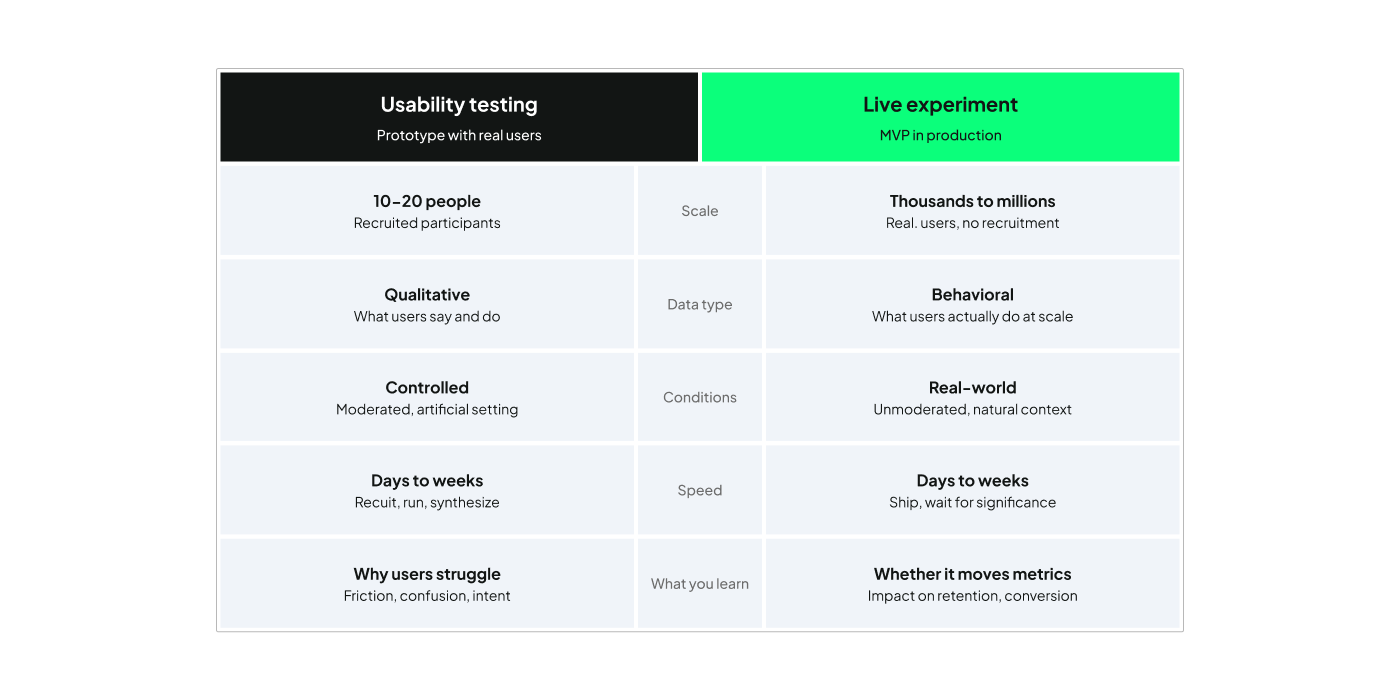
So, in a growth design context, launching a project isn’t the finish line. The designer still needs to interpret what the data is telling them: why did this onboarding slide see a drop-off? Was it the copy? The visuals?
This analytical loop is central to growth design. This is less feasible on client projects, but not impossible: it requires staying close to the client after delivery, waiting for results, and helping iterate on them. Long-term partnerships support long-term growth.
Growth design in practice: an onboarding case study
After six years and more than 100 onboarding experiments at Miro, Kate's team has developed a data-based process for growth.
It starts with segmentation. At Miro, there’s a meaningful behavioral difference between creators (users who initiate their own boards) and joiners (users who were invited in). Before any ideation begins, the team picks a segment to focus on.
From there, they surface what’s already known about that segment’s problems, and if they don't know enough, they do user research first. Only then does the cross-functional team start generating hypotheses on how to solve those problems. These get prioritized ruthlessly. With limited resources, a quarter might yield 10 hypotheses to test.
Here's where the design thinking gets interesting. The designer maps out the full user journey, keeping all 10 hypotheses in mind so the solutions stay coherent and consistent with each other. But each hypothesis is tested separately. Bundling everything into one big redesign would take quarters to ship. Testing modularly is faster.
Before any experiment goes live, solutions go through unmoderated user testing. Kate is a fan of the method for its speed: launch a test in the evening, have results by morning. Then iterate, and launch. And while one experiment runs in production, the team is already working on the next solution. The result is a continuous loop.
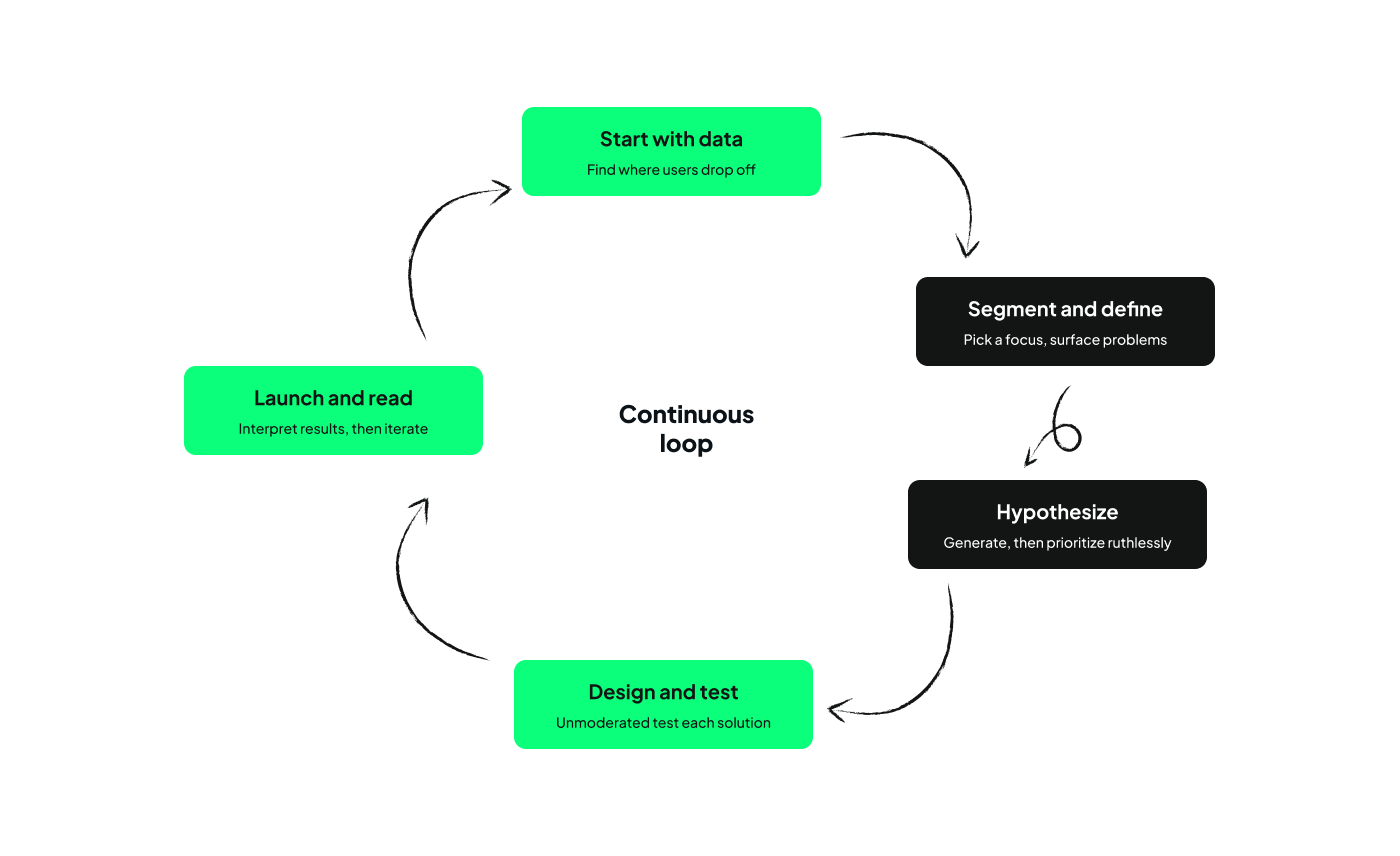
The goal of this method is to narrow down the solution.
This is what makes growth design demanding in a specific way. Creativity has to be contained within real constraints: segment size limits how many variants you can test, timelines limit how long you can run them. “We can launch three variants for one hypothesis, and understand what is working, what can be combined, and what can be further improved,” Kate explains. “We then condense it into an AB or ABC test, depending on our ability to test in time.” The goal is still to solve the user problem. The constraints just sharpen the focus.
AI and the future of growth design
When AI was first introduced to the field, Kate was optimistic but measured, seeing it as a useful accelerant for content design, research, and ideation. Since then, AI has transformed growth design.
At Miro specifically, October 2025 saw the launch of Miro for Product Acceleration, a suite of AI-first products built specifically for product, engineering, and design teams, covering everything from synthesizing customer insights to generating visual prototypes in minutes. They got from AI tools for template-based ideation to an AI innovation workspace.
The broader industry has followed a similar trajectory. Tools like Figma AI moved from novelty to standard practice by Q3 2025. The State of AI in Design Report, based on 400+ designers, describes AI as strongest early in the process (helping beat the blank canvas and speeding up ideation) but able to take work only to around 60% done. The last 40%, the polish, the nuance, the judgment calls, still depends on the human.
What AI can’t replace: synthesis
Which brings Kate’s central argument into focus. She says that a growth designer’s main job is synthesis, identifying the one part of the design process that scales with complexity rather than away from it.
Beyond producing screens, growth designers are filtering, shaping, and deciding which ideas are worth bringing to life. While AI tools can identify patterns and trends with remarkable efficiency, the creative leap from insight to innovative solution still requires human ingenuity. Also, UX work often deals with ambiguous or conflicting feedback that human researchers are better equipped to navigate.
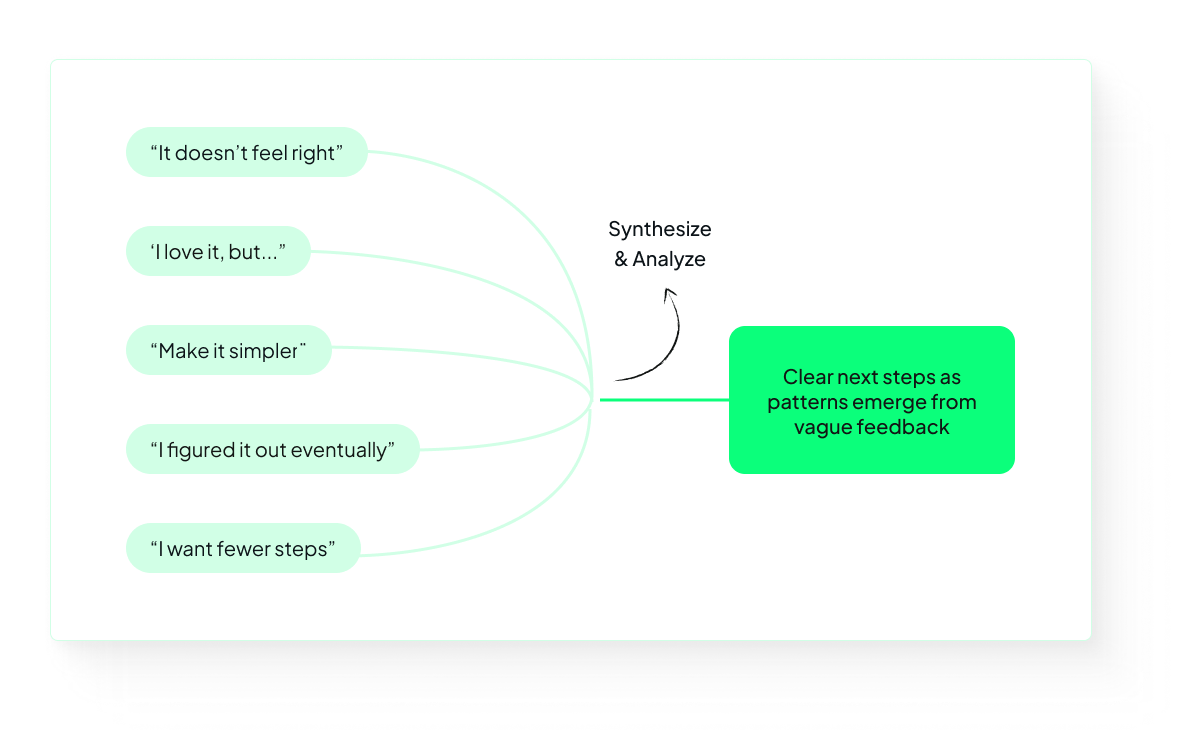
This is also where Kate’s case for generalism reconnects with AI. To synthesize well across disciplines (to hold user needs, business outcomes, and experimental data in the same frame) you need exactly the kind of breadth she's advocating for.
The new shape of specialization
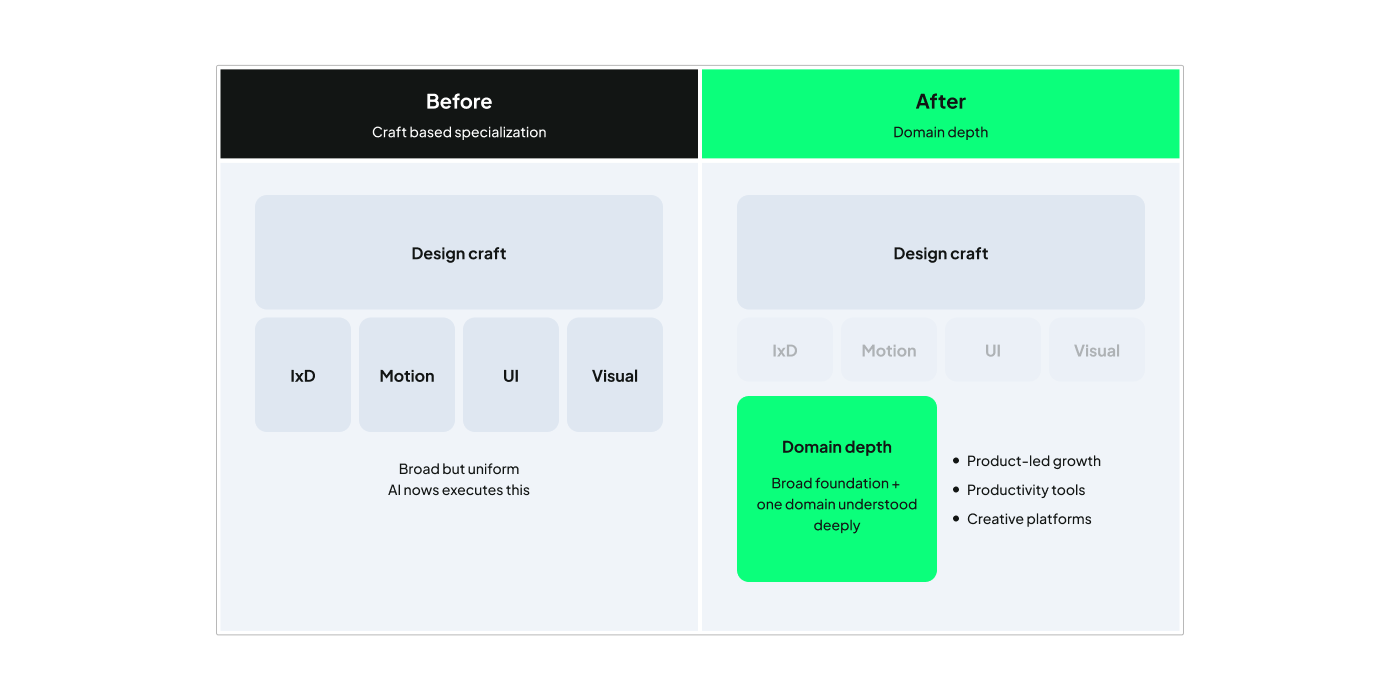
AI does, however, reopen a question the industry thought it had answered: what should product designers actually specialize in? Kate’s view is that craft-based specializations will become less differentiating as AI gets better at executing them. When everyone has AI-generated designs, differentiation shifts to strategic judgment, not production capability.
What will matter instead is domain depth. Kate brings in examples such as becoming the person who understands product-led growth, or productivity tools, or designing for creators, better than anyone else. Not how you design, but what you deeply understand. For a self-described generalist who built a career on understanding more fields than most designers thought necessary, it's a natural place to land.
What Growthmates tells us about where growth design is heading
When Kate mentioned her podcast at the end of our conversation, it was still finding its shape: a first season of open-ended experiments, conversations with designers and product leaders about growth in its broadest sense. The instinct to explore the overlap between personal and professional growth, between individual craft and systemic thinking, turned out to be more than a podcast premise.
Since then, Growthmates has grown into a full advisory practice led by Kate. She still believes that good design and good growth are inseparable, that the best products are built by people who can hold user needs and business outcomes in the same frame. Her full consultancy service offers sprint engagements, long-term partnerships, a course built around behavioral science and PLG strategy. You can find Kate's advisory services at growthmates.club.
Does your product lose users before they find value?
That’s the question at the heart of everything Kate described, and it’s one we work on every day at UX studio.
We partner with B2B SaaS companies to turn complex product experiences into intuitive ones, pairing designers and researchers from the start to make sure user needs and business outcomes are never in conflict. If activation, retention, or onboarding is where your product is struggling, let's talk.

Want to learn more?
Listen to the full interview:
Spotify | Apple Podcasts | YouTube
If you want to learn more about UX design, UX research, and our experiences working on projects, make sure to also check out our UX design blog. We share valuable insights, tips, and best practices to help you grow your skills and knowledge in the industry.
Credits:
Insights by Kate Syuma, Founder at Growthmates, Growth Advisor, ex-Miro Head of Growth Design
Interviewer and podcast host: Karthikeyan Krishnamoorthy, UX designer
Editor: Dr. Johanna Székelyhidi, marketing manager