Making UX collaboration actually work

Great UX doesn’t happen because a team of designers retreats into a ‘Figma cave’ and emerges with brilliance. It happens because the collaboration around them works. And collaboration is always a two-way street: what you put in is exactly what you’ll get out.
When partners bring clarity, context and real engagement, the work accelerates, the thinking deepens and the product gets measurably better. When they don’t, even the strongest UX team is forced to guess its way through noise.
This blogpost looks at what you can do (regardless of your role) to build the kind of environment where UX can actually thrive, where decisions become sharper, and momentum can carry through the project.
1. Own the problem, not the pixels
UX teams can explore, visualise and test solutions. They cannot, and should not, speculate about what success means for the business.
What you can do:
- Clarify the business goal in plain language:
“Increase self-service signups by 20% in 6 months” is usable. “Improve engagement” is less so. - Share non-negotiables early: communicate legal constraints, technical limitations, deadlines, and brand rules as soon as you can.
- Align on what success looks like before anyone opens Figma: define key metrics, signals, and leading indicators.
Top design agencies put a massive emphasis on understanding business goals, constraints and success criteria before they touch visual design. That’s not a “nice to have”, it’s the runway for every good UX decision.
2. Bring context the UX team cannot reach alone
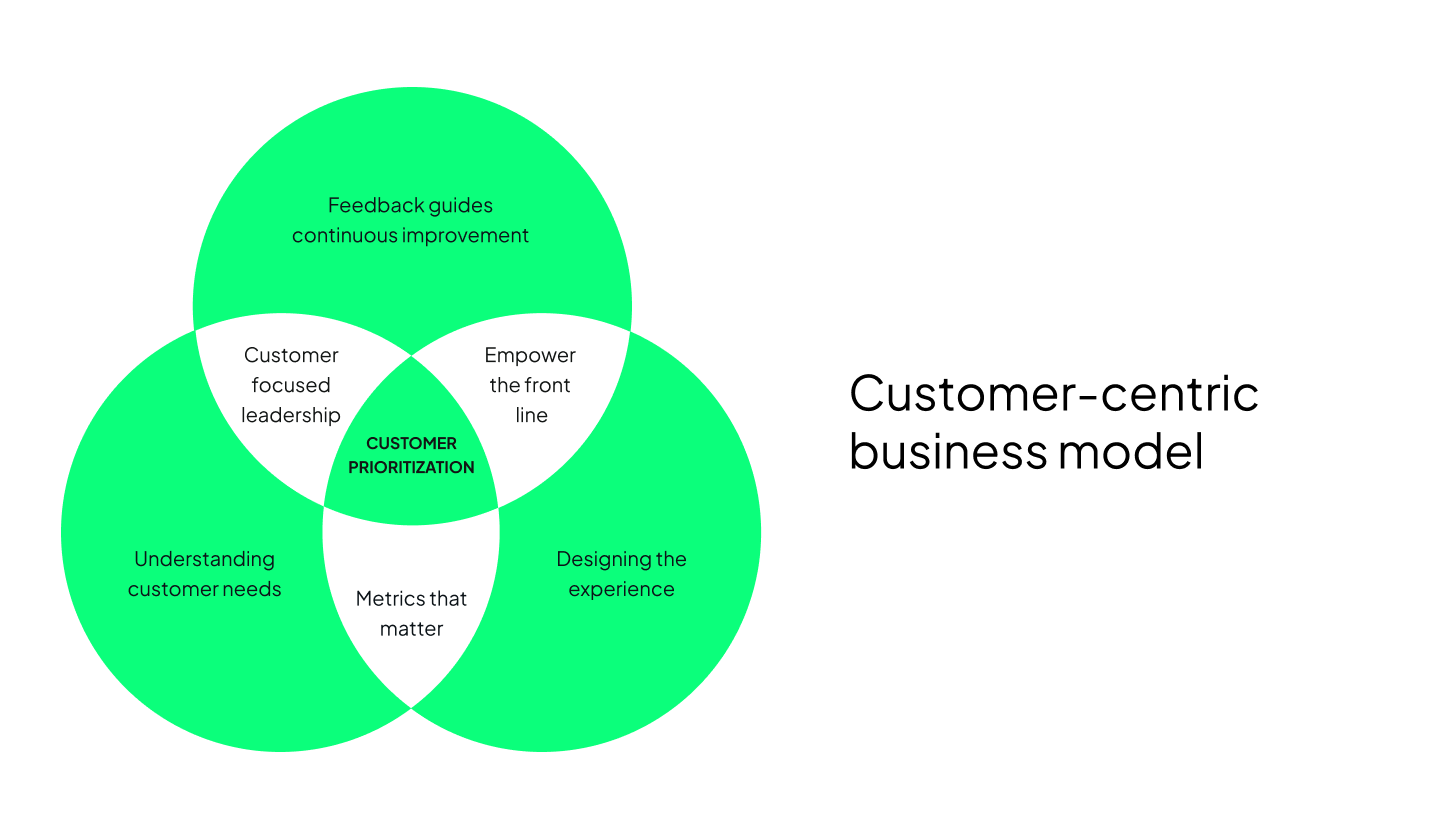
Researchers and designers are excellent at uncovering user insights, but you are closer to organisational reality.
You can enrich the work by bringing:
- Domain knowledge: regulations, market habits, industry jargon.
- Historic context: what has been tried before, what failed, political landmines to avoid.
- Real examples: typical support tickets, sales objections, angry emails, dashboard screenshots.
App and web design companies that consistently deliver strong results do one thing very well: they learn as much as possible about the business and users upfront, not halfway through.
You can create the same environment internally by flooding the UX team with solid context instead of imprecise wishes.
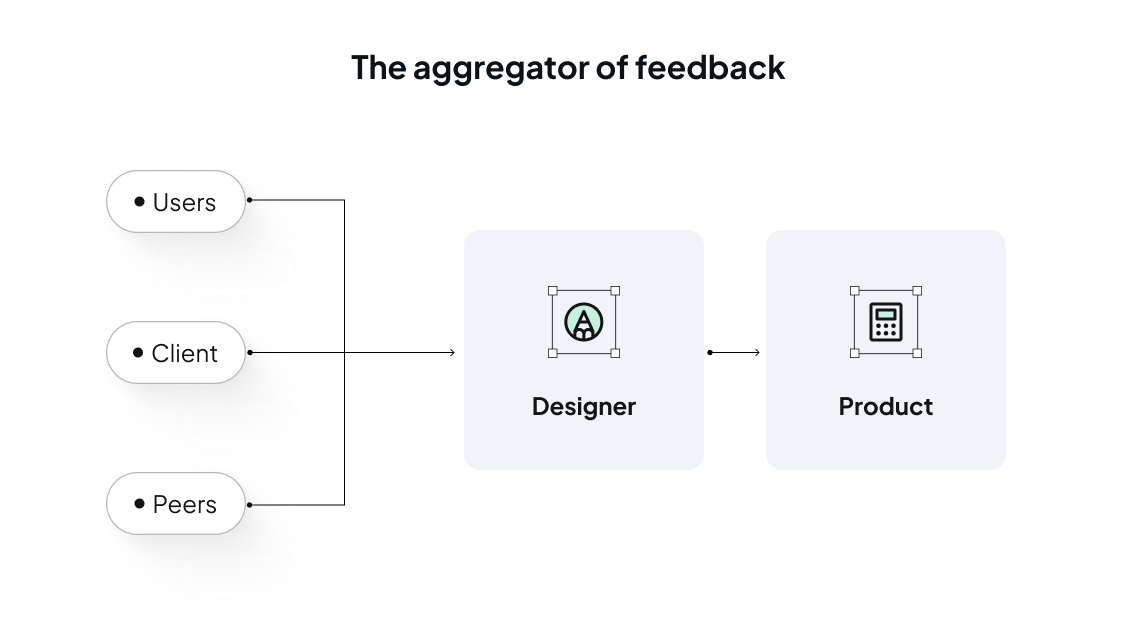
3. Give feedback that designers can actually use
The sad truth is: most UX collaborations die slowly in feedback sessions.
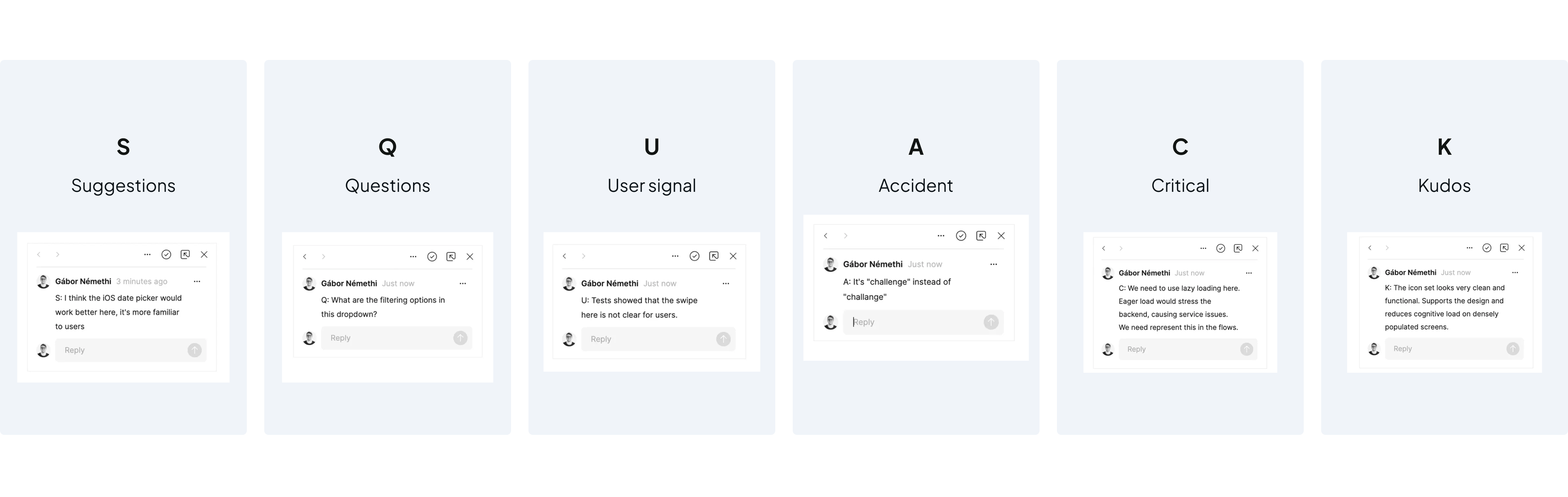
“Make it pop”, “it feels off”, “I don’t like this color” and similar responses do not constitute actionable feedback. They are emotional signals.
Useful feedback does at least one of these:
- Connects to a goal
- “This layout hides pricing, which might hurt transparency, and we know transparency is a key decision factor for our buyers.”
- “This layout hides pricing, which might hurt transparency, and we know transparency is a key decision factor for our buyers.”
- Points to a user scenario
- “Imagine a first-time visitor who is stressed and on mobile. Would they know where to start from this screen?”
- “Imagine a first-time visitor who is stressed and on mobile. Would they know where to start from this screen?”
- Surfaces a real constraint
- “We cannot collect this personal data in the EU. Legal will block us if we go live like this.”
- “We cannot collect this personal data in the EU. Legal will block us if we go live like this.”
- Asks a curious question
- “What was the reasoning behind grouping these actions together?”
- “What did we see in research that led to this flow?”
- “What was the reasoning behind grouping these actions together?”
It is completely fine to say “This doesn’t feel right and I don’t know why”. Just add: “Can we look at it together from the user’s perspective?” and be ready to explore instead of dictate.
4. Protect focus (instead of adding chaos)
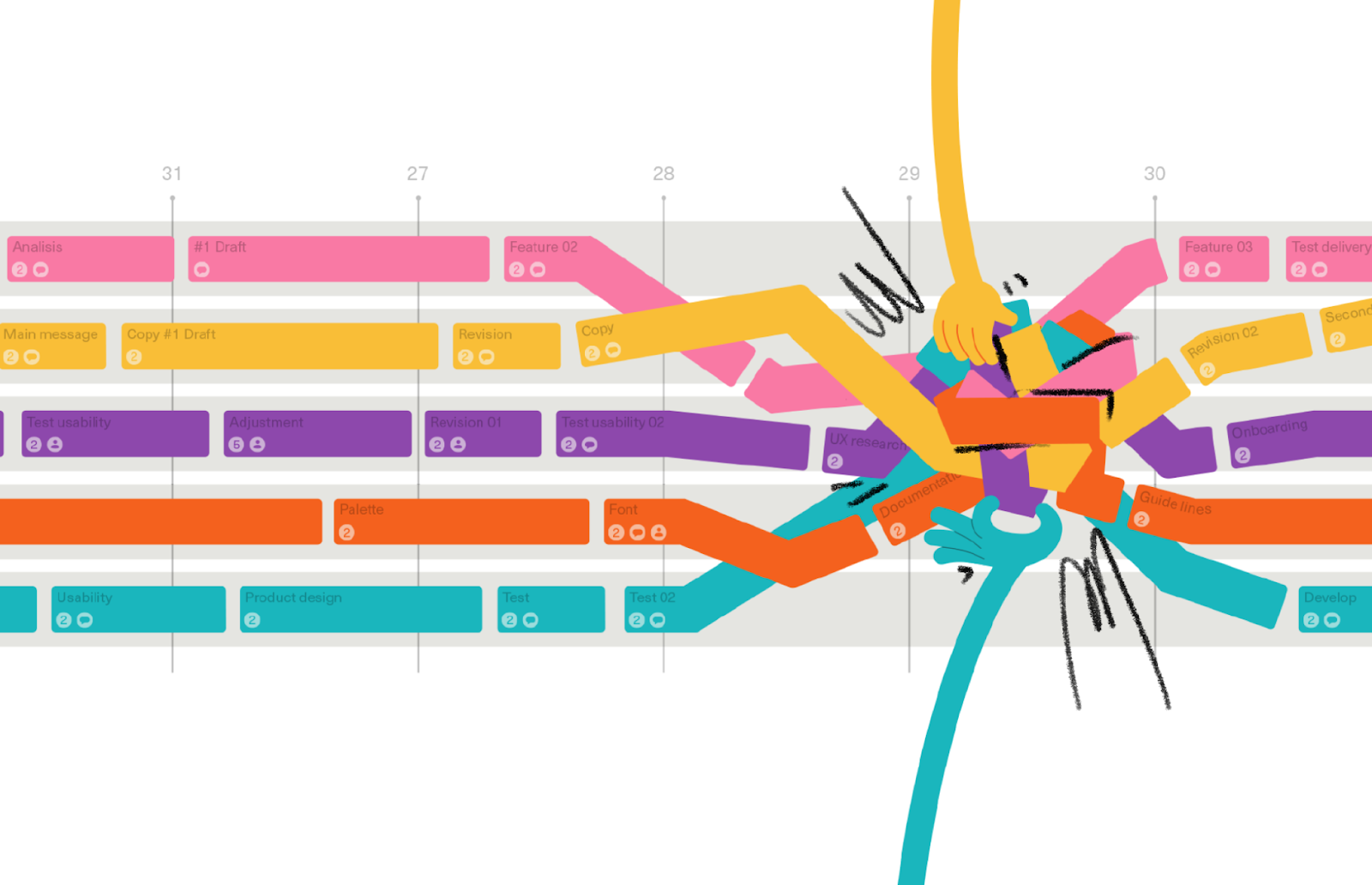
UX work needs cycles of exploration, synthesis and iteration. Every sudden “small request” breaks that rhythm.
Here is how you can help, especially if you are a product owner, manager or lead:
- Cluster feedback instead of dripping it in Slack unpredictably..
- Hold the line on scope. If new ideas are genuinely critical, agree on what gets dropped.
- Avoid design by committee. Decide who is the final decision-maker for each topic and respect that.
Great agencies often run with structured design sprints and clear decision points.
You can mirror this by making sure UX is not constantly derailed by side quests and surprise requests.
5. Show up properly for research
You don’t have to run user interviews yourself, but you absolutely influence how valuable they become.
To make research truly useful:
- Join sessions as an observer, not as a second moderator. Turn off your notifications. Really watch.
- Do not sell or defend the product in front of participants. Curiosity first, ego later.
- Take notes in your own words. Look for patterns, not one-off quotes.
- Use debriefs: 30–45 minutes right after a session block to align on what you heard and what it might mean.
Teams that involve stakeholders in research see faster buy-in and smoother decision making, because people do not argue with their own eyes and ears as much as with a slide deck summary. Top UX research agencies explicitly invite stakeholders into the process for this reason.
6. Make real decisions and live with them
Nothing kills UX momentum like endless “We’ll see” and “Let’s keep all three options for now”.
Often, your role in collaboration is to reduce optionality.
To make a decision, you can:
- Decide on a direction after reviews; iterations cannot go on indefinitely. .
- Call trade-offs out loud: “We choose clarity over visual flair here”, “We accept a slightly longer flow for legal safety.”
- Face the risk honestly: “This is a bet. We will measure X and Y. If we do not see improvement in 4 weeks, we pivot.”
Design teams are good at generating options. They rely on you to choose the best ones for your business.
7. Connect UX work to the rest of the organisation
A good design is not the end. Adoption is.
You can turn nice mockups into actual impact by:
- Planning launch communication: internal updates, release notes, how-to videos, FAQs.
- Helping define training needs: who in sales, support or operations needs to understand the change.
- Surfacing dependencies: other teams, systems or campaigns that must be aligned for the UX changes to work.
Strong product organisations treat UX as part of a bigger change story, not a visual update. You are the one who can connect that story across departments.
8. Build a culture of experiments, not opinions
UX quality improves when the conversation shifts from “who is right” to “what did we learn”.
Concrete actions you can take:
- Encourage small experiments: A/B tests, prototype tests, limited pilots.
- Ask for clear hypotheses rather than polished designs: “We believe this change will reduce drop-off on step 2.”
- Celebrate learning outcomes, even when the experiment “fails”.
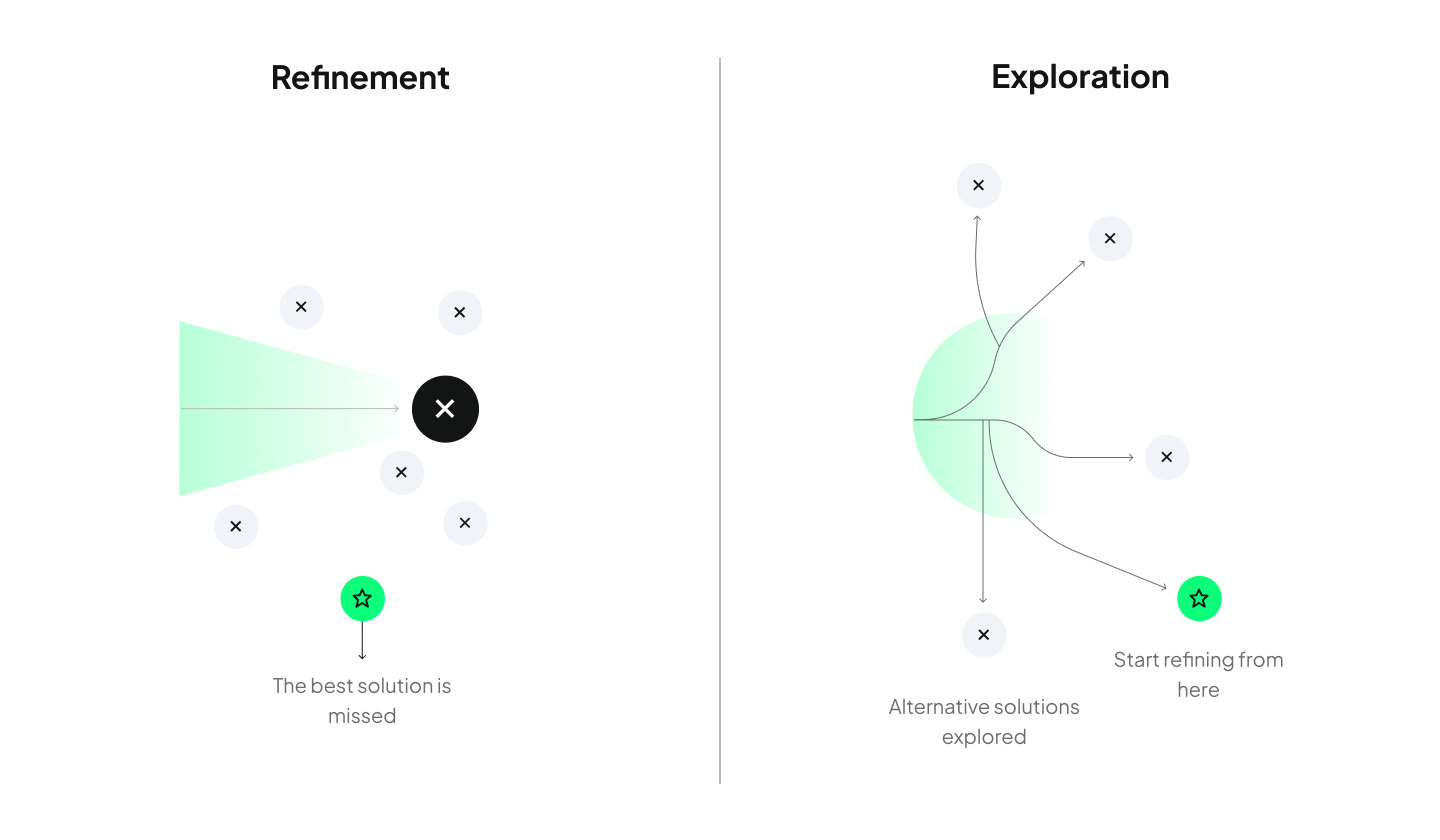
AI and modern tooling make it easier than ever to generate variants and test directions quickly, but the value only appears when the team is comfortable treating ideas as disposable.
You set the tone: is the team allowed to be wrong in public, or only to refine what leadership already decided?
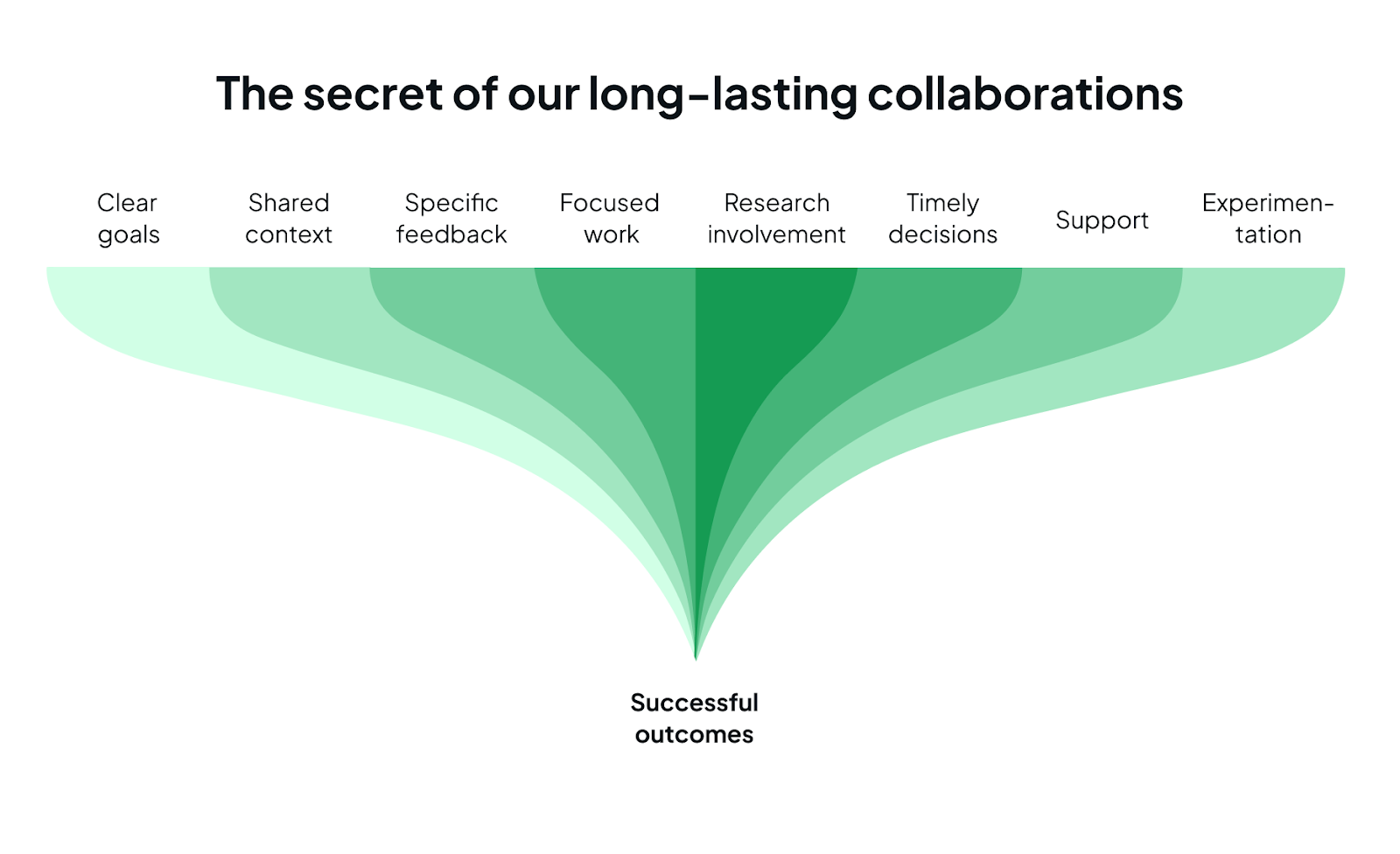
Behaviors that make UX collaboration flourish
In a flourishing UX collaboration, partners usually:
- Define clear, outcome-based goals, not vague wishes.
- Share constraints and context early, not at the end as a blocker.
- Give specific, user-centred feedback, not subjective opinions.
- Protect UX focus and time, instead of pulling the team in various direction.
- Engage with research, see real users in action, and stay curious.
- Make decisions on time, so the team can move forward with confidence.
- Support launch and adoption, not just sign-off on designs.
- Reward learning and experimentation, not just “being right”.
This checklist asks you to be an active, responsible partner in shaping the product. Doing these, you won’t just “support UX”, but become become part of the reason great UX is even possible.
Final thoughts
After more than ten years partnering with teams of all shapes and sizes, UX studio refined how our teams collaborate with yours.
If you want a UX team that plugs into your workflow effortlessly, takes your project seriously, and brings structure, we’re ready.
Our designers and researchers can embed directly into your team, bringing battle-tested processes that puts your users first, aligns with your goals, and keeps your project moving. Let’s build something together.

This blog post was written by Dan Damsa, UX researcher
Editing by Dr. Johanna Székelyhidi, marketing manager and copywriter