Behind the scenes of UX studio’s team retreat
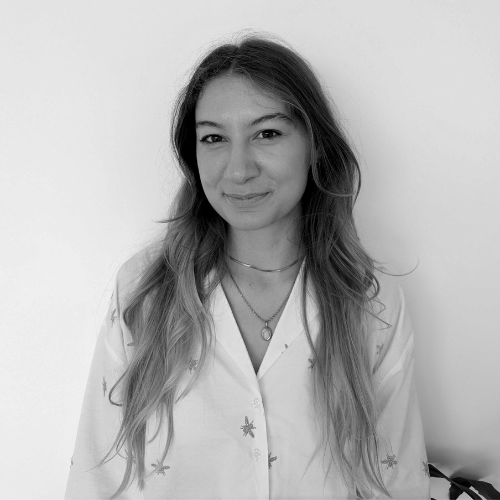
Retreats are a big part of life at UX studio, not just for switching off Wi-Fi, but for switching into a different mindset. These are the days to slow down, reconnect, and build ideas we don’t get to explore on an average workday. Just recently, I finally got to experience one myself; come along and see what it was like!
.png)
Turns out the hype is real
When I first joined UX studio, I stumbled upon the “Retreats” folder in our shared drive, filled with hundreds of pictures of previous retreats. Then I started asking colleagues, who shared stories about vineyard visits, legendary UX Cups, dog-friendly venues, and a Spotify playlist for the night that was exactly 12 hours and 29 minutes long.
.jpg)
As someone who experienced their first retreat last fall, I wasn’t sure if it would live up to the legend. Spoiler: it absolutely did. (The venue’s dog, Aranka, may or may not have played a key role in that.)
Off the clock
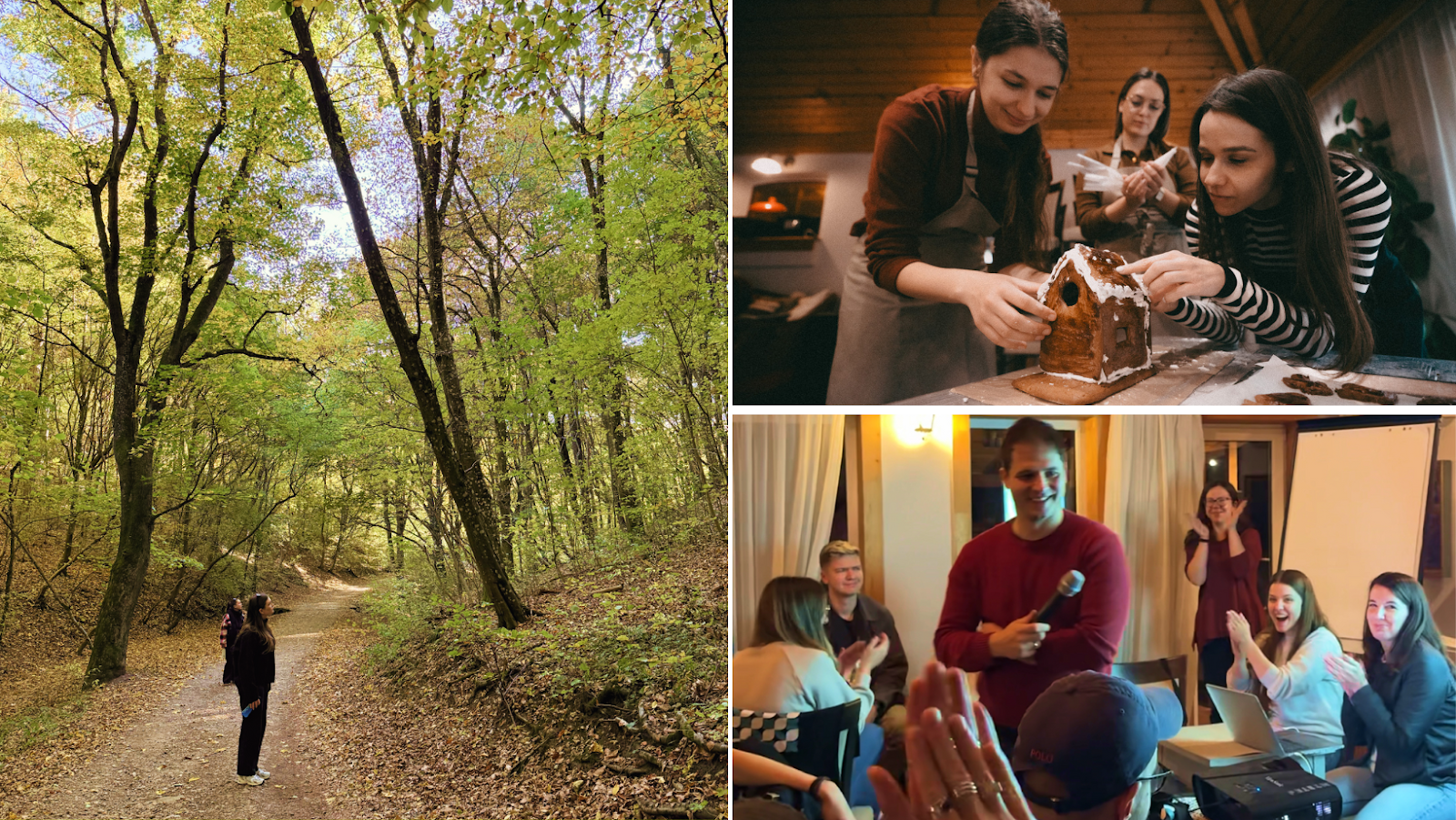
Our October retreat was set in a beautiful venue next to a forest, where we completely ditched Slack notifications and calendar invites for two full days, without the sight of a single laptop around. We took the whole “I need to touch some grass” idea very seriously, with an almost meditative walk in the forest, while the others were busy making gingerbread houses. Evenings were full of fun traditions — the UX Cup, our surprisingly competitive team game, made its return.
Let’s get down to business
This sounds all fun and games, but other than connecting with nature and each other, we came with a mission: to find our next in-house product idea. Besides client work, UX studio has been successfully developing in-house SaaS products for the past few years, such as UXfolio, Copyfolio, Archifolio, and Ranking Racoon.
With such a wonderful team seeing clear market gaps around us, it would have been a missed opportunity not to explore it. With all our genius minds at the same place (and time zone), the retreat was a perfect occasion to start our new product adventure.
Think blue-sky
First, we grouped into teams, making sure to have the chance to brainstorm with colleagues we don’t usually work with. During the ideation process, we took the “think blue-sky” mentality VERY seriously. The driving question was: What is an idea that is so ambitious that you don’t even dare to propose it? We’ll research it.
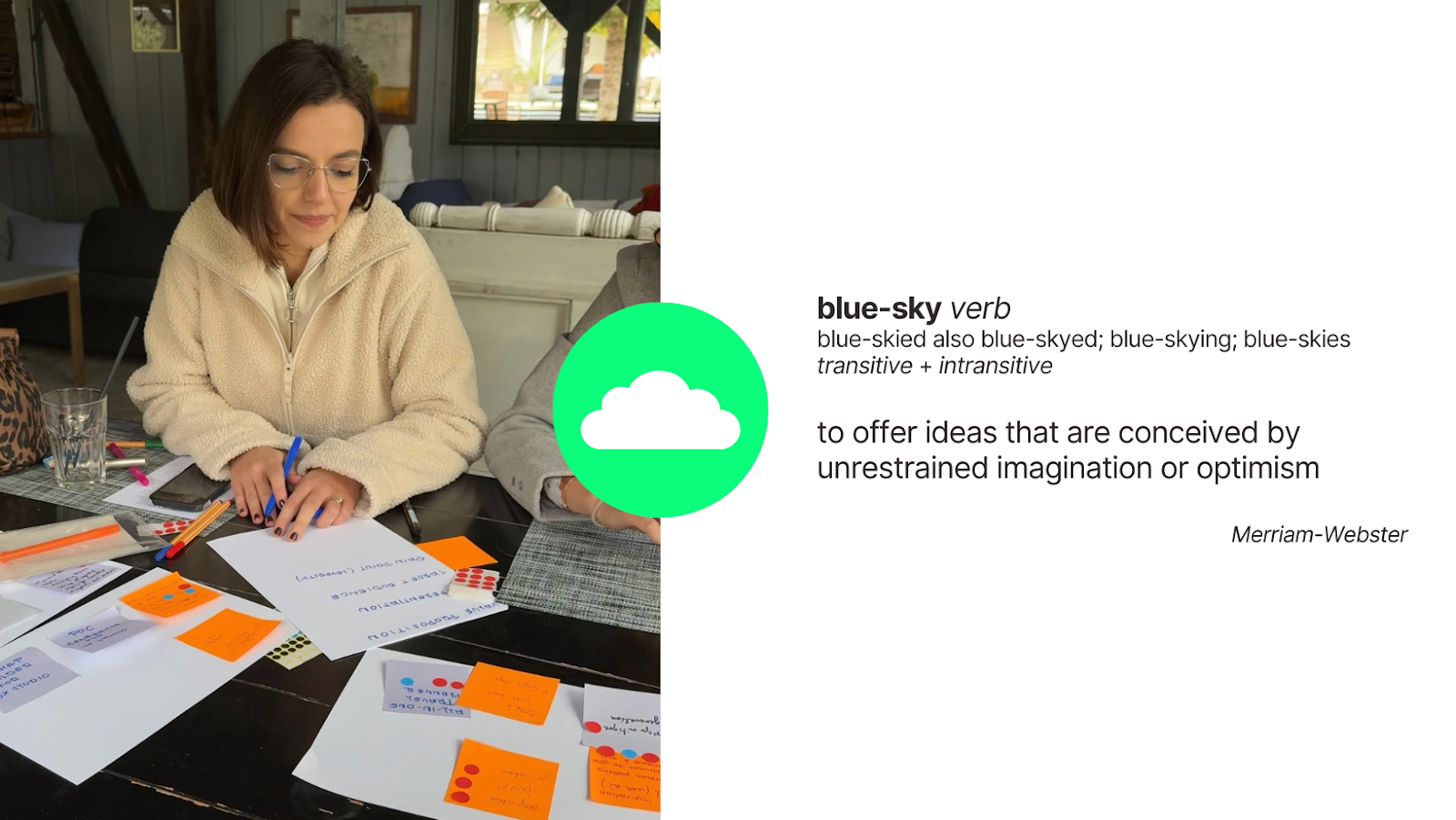
We started by looking at the challenges we face in our own daily life and work — after all, our ultimate goal is to make people’s lives easier. After lots of sticky notes, hear-me-outs and what-ifs, each team eventually came up with one ambitious idea.
Ideation with intention
Ideation always begins with big, broad concepts, but sooner or later, it’s time to face reality. We’ve built enough products to know what grounding questions to ask to decide whether an idea is worth continuing. It’s not only about feasibility, we also have to think about industry opportunities, design and tech trends, and so on.
Now think of The Voice, but instead of celebrities, we pitched our ideas to the company’s leadership team. I know, I know, it sounds odd but it was actually so much fun.
The reality check
So, what happened after our offsite adventure? We returned to the office, conducted a ton of interviews and desk research on our chosen idea, and eventually decided… not to do it. I know, it’s not the dramatic, world-shaking ending one might expect, but it’s perfectly in line with our approach. Good research either lays the foundation for a viable product, or clearly shows when something isn’t worth pursuing. In this case, the idea was exciting, but our target audience wasn’t as excited as we were. And that’s okay, because that’s the point.
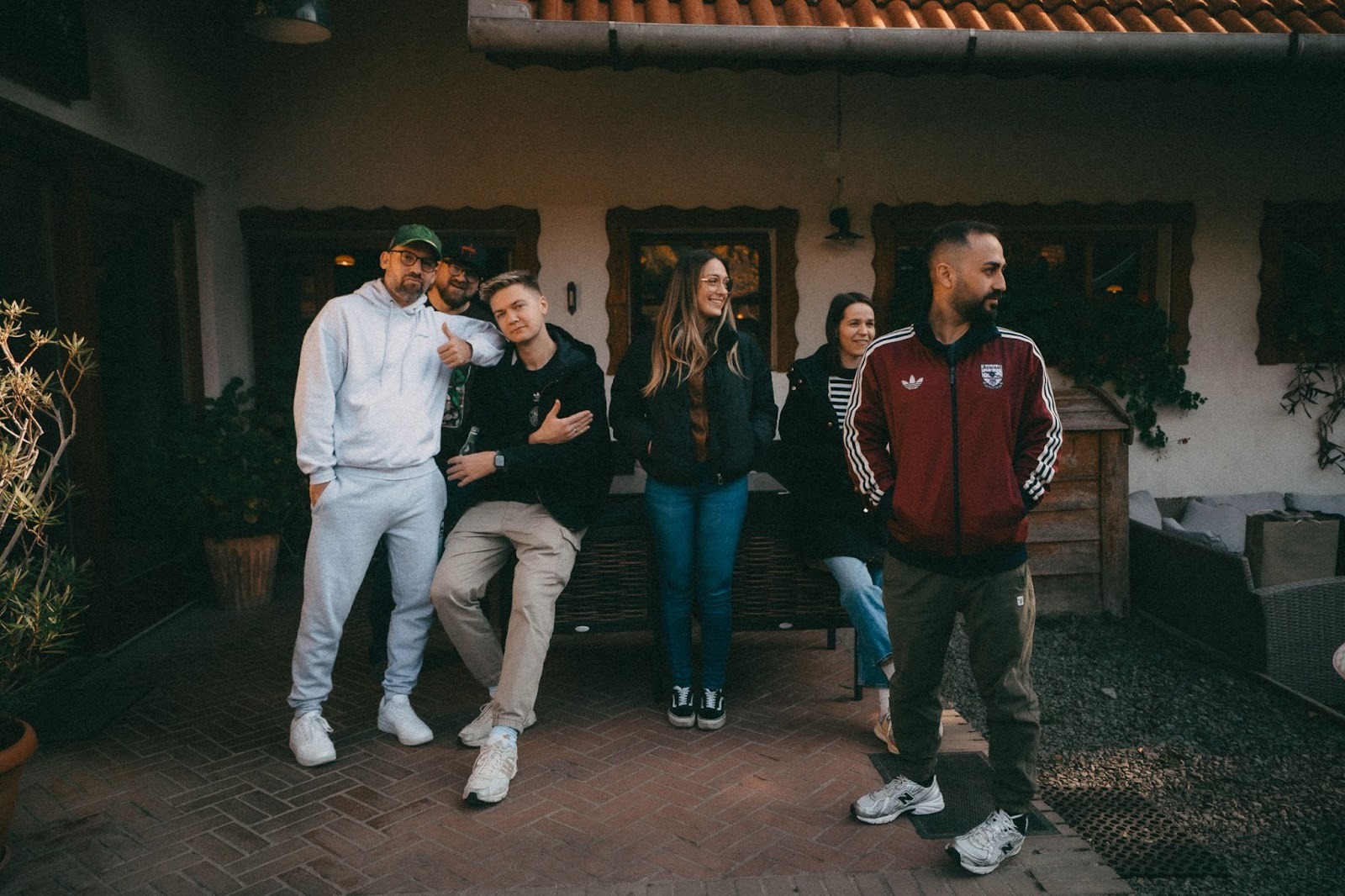
So here we are, reinventing, reiterating, and already browsing our next super cool and inspiring retreat venue.
Sounds like a process you’d like to be part of? Check out our career page for our current open positions!
Credits
This blog post was written by Anna Zsófia-Kovács, social media marketer
Editing by Dr. Johanna Székelyhidi, marketing manager and copywriter