SaaS ideas built on real market patterns (not guesswork)


As a SaaS product design agency, we’ve seen many SaaS product ideas rise and fall. We created this step-by-step guide with best practices.
Our process will help you develop strong SaaS ideas through user insights, deeper competitor analysis, and structured evaluation of problems, markets, and solutions.
We’ve followed it up with an analysis of what makes or breaks today's breakout SaaS products, and 25 startup ideas built on those same patterns, organized by verticals.
How to generate SaaS product ideas
Starting with ChatGPT is putting the cart in front of the horse. Take it from us: by collecting data first, you’ll be able to provide better prompts or create ideas all on your own.
Here’s how our tried-and-tested process, built on 10 years of experience.
.jpg)
1. Start with the user
SaaS products get used regularly when they solve painful problems or respond to pressing needs.
So you need to start by getting to know your target market.
- One way to go about it is a combination of market and user research to familiarize yourself with your selected audience.
- You can also do it backwards: if you have a good idea, you can validate your assumptions to check whether it’s a viable business or not.
Whichever option you choose, you’ll have to get real insight from real people.
- When you interview your target audience, ask questions to help find pain points: “What are the top 3 challenges you face in this area?” “What is your biggest problem?”
- Prioritize problems: “What do you spend the most time on?” “What are you most proud of in relation to this topic? What makes you afraid?”
- Avoid forbidden questions, such as “would you use this product” or “would you pay for it?” People don’t want to be rude: you won’t get an honest answer.
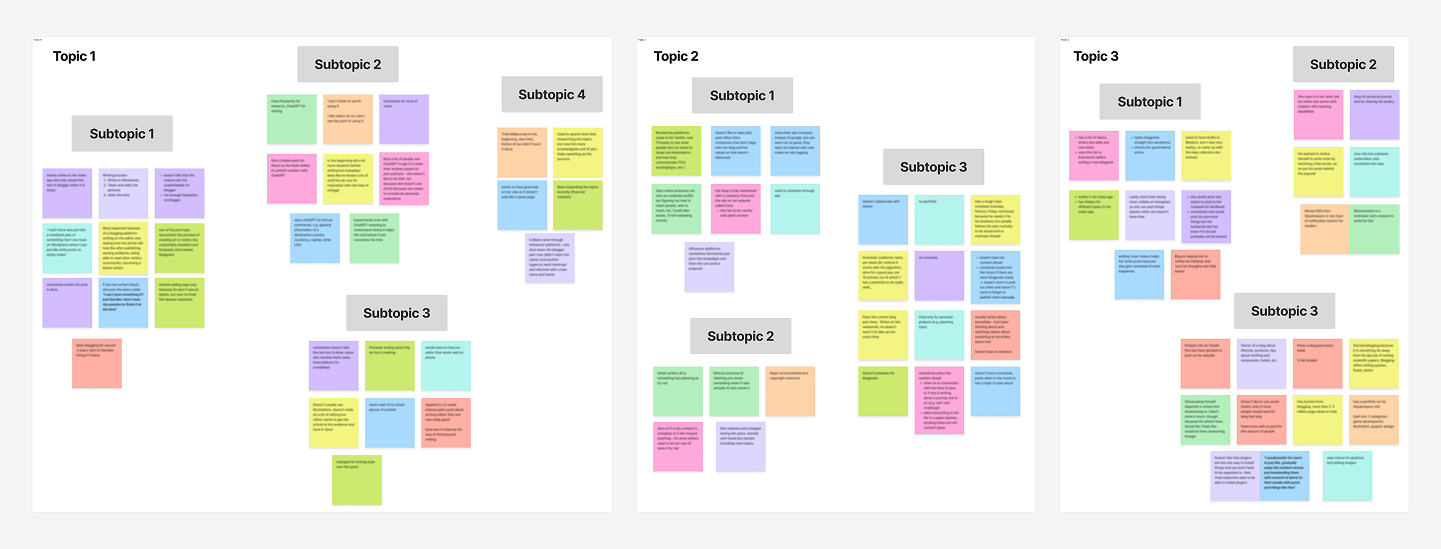
In our experience, it’s worth doing 5-6 interviews even this early in the product discovery phase, so you have specific, first-hand data to start with. You can hire a UX research agency to recruit participants for you, do interviews and provide an in-depth analysis. Either way, we suggest that you’re also present on client calls to make your own observations.
2. Take a long, hard look at competitors beyond SWOT
Identifying your direct and indirect competitors is relatively easy with a few searches. You should collect the information you can see on our competitor card template below.
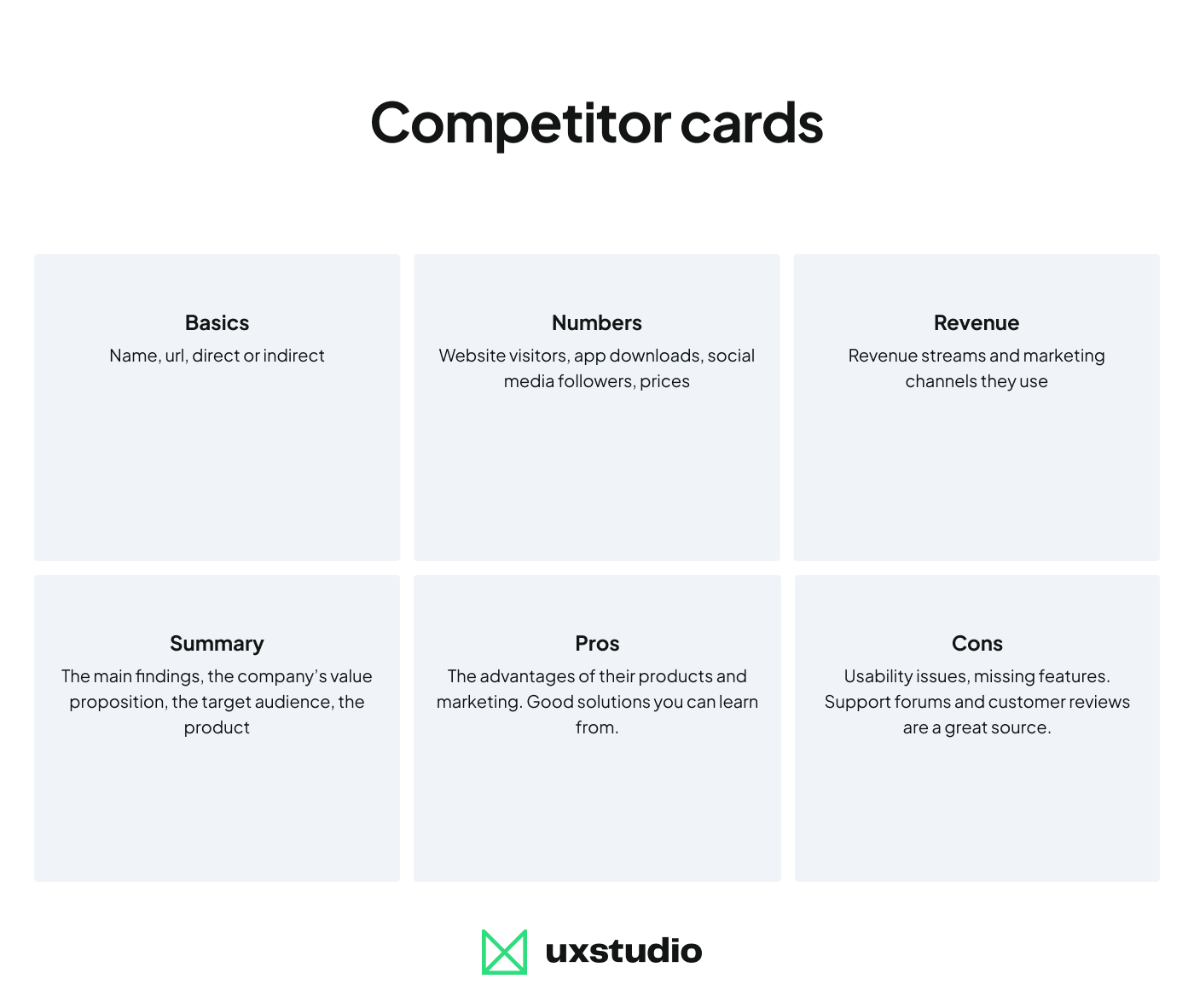
These will give you raw data you can analyze to get to the big picture. But we suggest going even deeper.
People usually buy products for different reasons than companies initially assume. Finding the real use case of a product is difficult, but necessary to truly understand your target audience and build a product and marketing around their real goals.
To understand the job people hire a product to solve, you should understand how and why they switch solutions. Always assume that your solution already exists in some shape or form, and what you need to do is offer a better version.
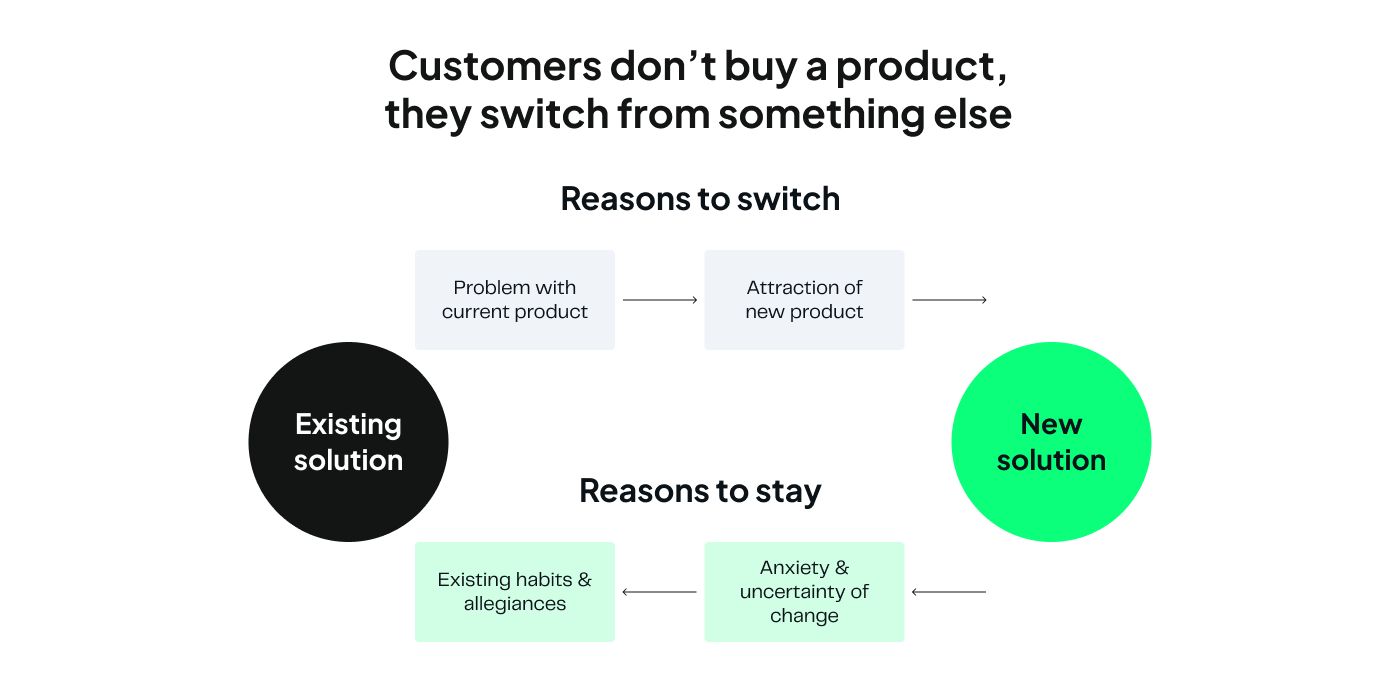
Therefore finding the job of your product should be an integral part of your competitor research, especially if you’re working on a B2B SaaS idea: in the B2B sector, there are a lot of people involved in deciding whether to buy a new solution.
In the best case scenario, you’ll be able to interview 7-10 people who have recently purchased a new SaaS product (less than the last 60 days). Again, researchers can help you out with this.
3. Analyze your findings
You’ve done your rounds of user research, market research and competitor research, andnow you have some fresh, relevant, reliable data. Now’s the time for LLMs to shine.
Be aware that standard AI chatbots may not be secure and specific enough for this type of work. We suggest using specialized AI research tools for analysis; we’ve collected our favourites in this list.
Based on the data collected in steps 1 and 2, you should be able to answer the following questions:
- The problem: Do people really have the problem that you want to solve? Is it a high frequency, high impact problem?
- The market: How many people have the problem and how many would buy the solution from you? Is the market big enough to build a viable business?
- The product: Will your SaaS solve the problem effectively?
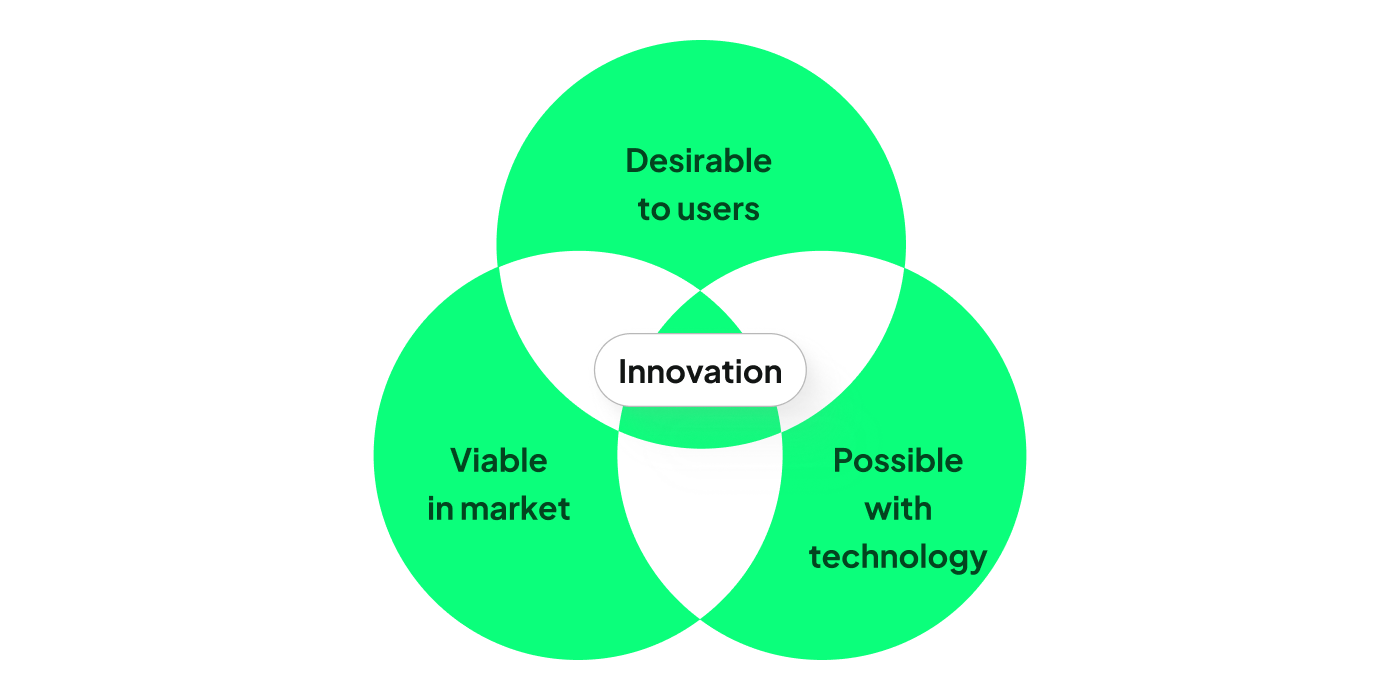
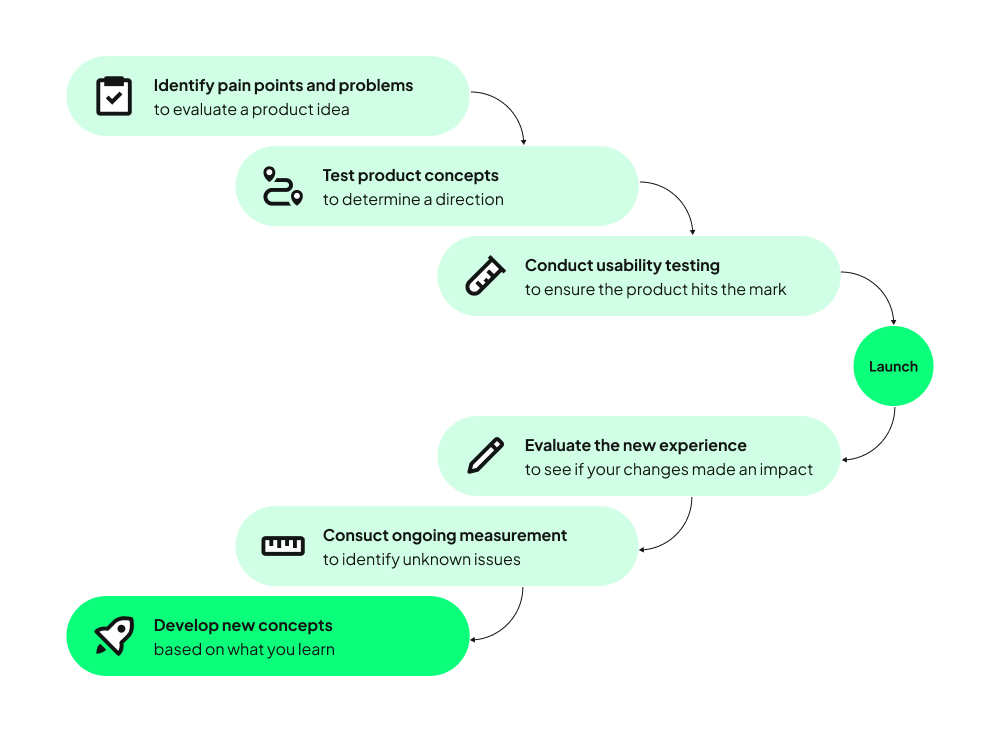
Rinse and repeat to come up with more SaaS ideas. To select the best ones, test which ideas work in actuality. Test your value proposition and your target audience’s willingness to pay before building an MVP.
We believe in robust UX research, because we’ve seen the results across 250+ clients we’ve worked with, and our own product line. It’s worth the time invested in it.
SaaS ideas list
Are you really, really short on time? To help you get started, we’ve pulled together key insights from today’s top SaaS success stories and translated them into 15 startup ideas, organized across different B2B verticals.
1. Enterprise software
New enterprise SaaS ideas
I. Corporate strategy execution tracker
Translates board-level strategic objectives into department-level initiatives and measurable KPIs, then monitors progress in real time by pulling data from existing systems.
II. Regulatory change management
Tracks regulatory changes across jurisdictions in real time, maps them to your internal policies, and generates remediation tasks, supporting compliance consultants large enterprises rely on today.
III. Energy spend optimization for enterprises
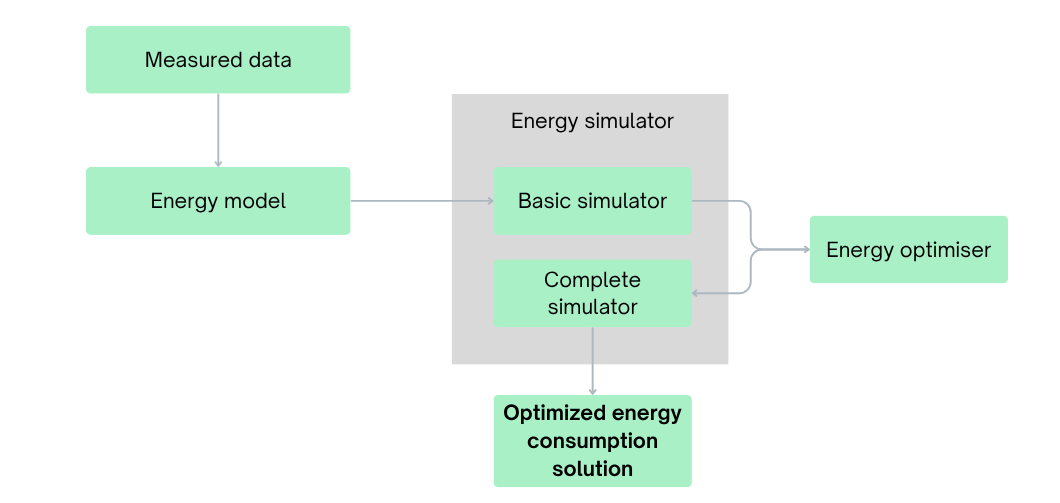
Monitors real-time energy pricing and usage patterns across offices / facilities, auto-shifts non-critical workloads to off-peak hours, and flags anomalies in consumption that signal equipment failure or waste.
IV. Knowledge management for professional services firms
For law firms, consulting firms, and accounting practices: indexes every engagement, methodology, and expert across the firm into a queryable knowledge graph, so the right expertise is found in minutes, not after three emails to three partners.
V. Enterprise crisis & incident response OS
A dedicated command center for managing corporate crises (product recalls, data breaches, reputational events) that coordinates internal response teams, tracks decision logs, manages external communications drafts, and maintains a real-time audit trail for post-incident review.
Existing enterprise SaaS example
Rippling
Category: Enterprise operations
Founded: 2016
Valuation: $16.8B (May 2025)
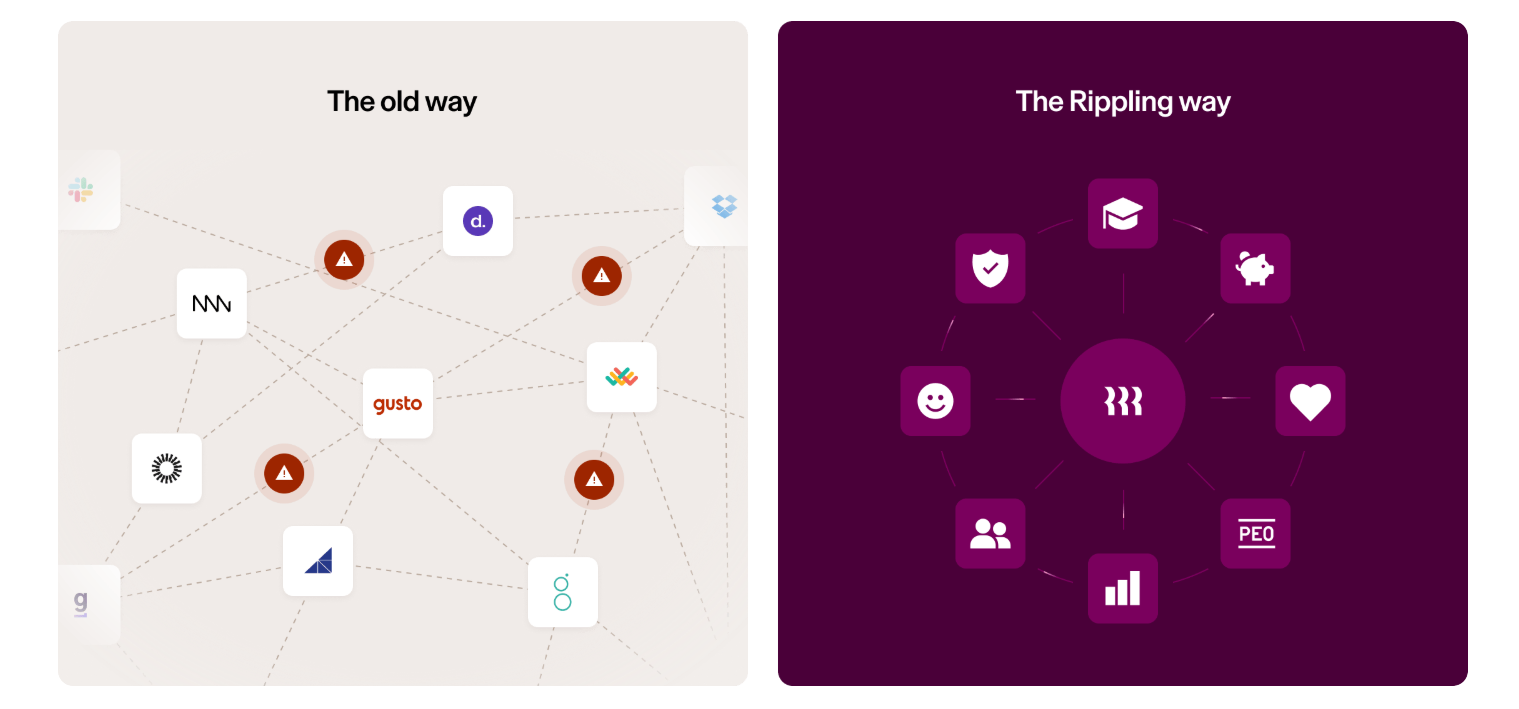
Rippling reached $570M in annualized revenue in February 2025, with a 99.5% year-over-year PEO client retention rate. The company serves over 20,000 customers and has built 10+ product lines, each generating over $1M in ARR, with new products typically hitting that mark within 5–6 months of launch.
Why users love it: By bundling payroll, benefits, IT access control, device management, and corporate credit cards into a single suite, Rippling offers a unified solution to mid-to-large enterprises with fragmented systems. It's increasingly positioned as a true "company OS," one platform to run an entire workforce.
2. CRM and sales tools
New SaaS ideas for sales tools
I. GTM intelligence for revenue defense
Fuses internal product telemetry with external signals, such as job changes, funding events, or competitor press to predict churn 90 days out and auto-generate a retention playbook per at-risk account.
II. Sales enablement: automating deal rooms
AI-generated private microsites for every enterprise deal, auto-populated with case studies, ROI calculators, and stakeholder content, that alert reps in real time when buyer engagement heats up or goes cold.
III. AI comp plan designer and dispute resolver
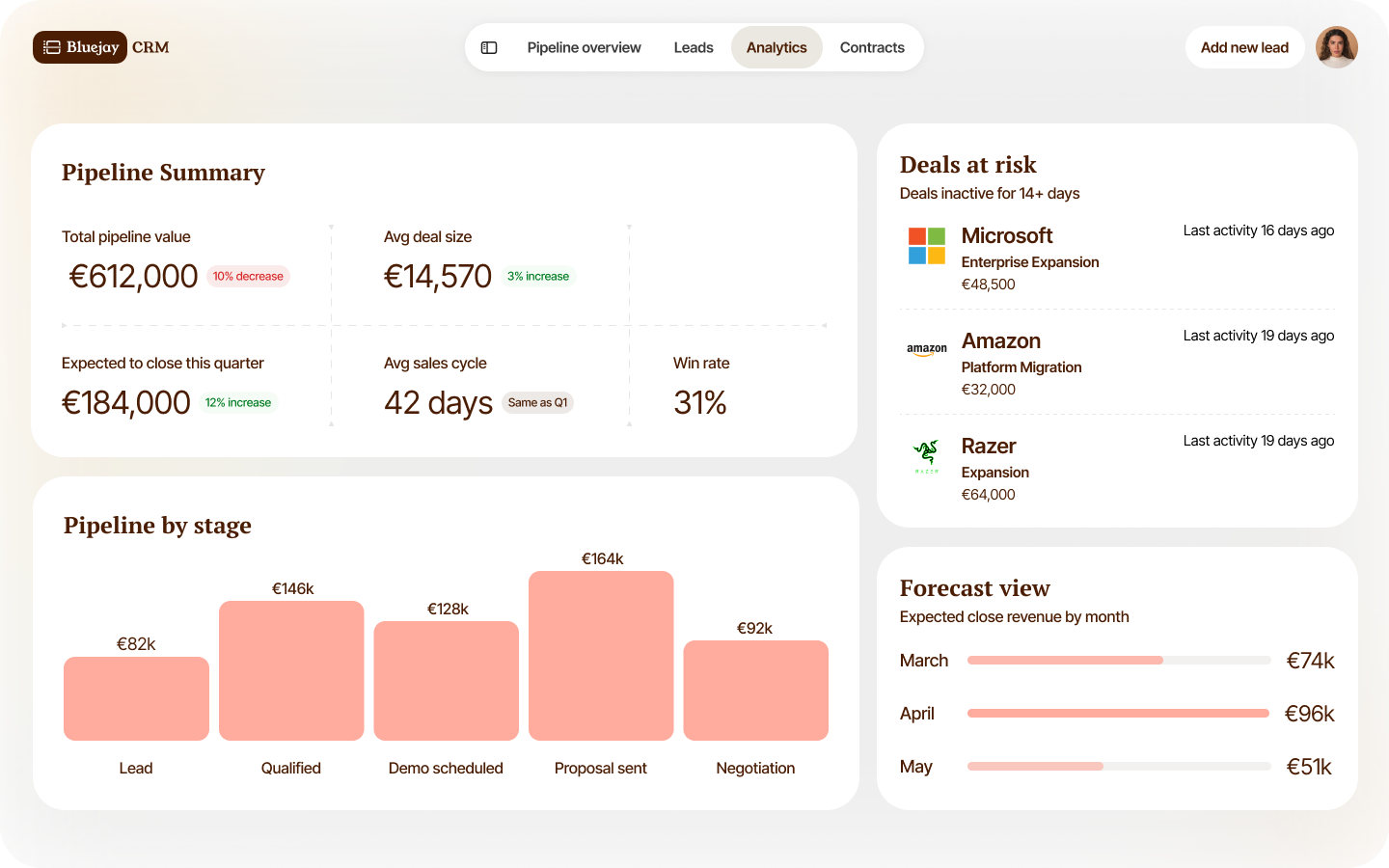
Designs, simulates, and administers sales comp plans, then auto-resolves commission disputes using CRM data and call transcripts. One system of record replacing RevOps spreadsheets entirely.
IV. Automated RFP response engine
Ingests an incoming RFP and auto-drafts a response by pulling from past proposals, case studies, and product docs — cutting response time from 3 weeks to 3 hours for enterprise sales and BD teams.
V. AI battle cards that update as competitors move
Self-maintaining competitive intelligence inside Salesforce and Slack. When a rep enters a deal, it auto-surfaces the top objection-handlers for that competitor and that account's industry.
Existing sales SaaS example
Clay
Category: GTM automation platform
Founded: 2017; FirstRound calls it a “7-year overnight success”
Valuation: $3.1B
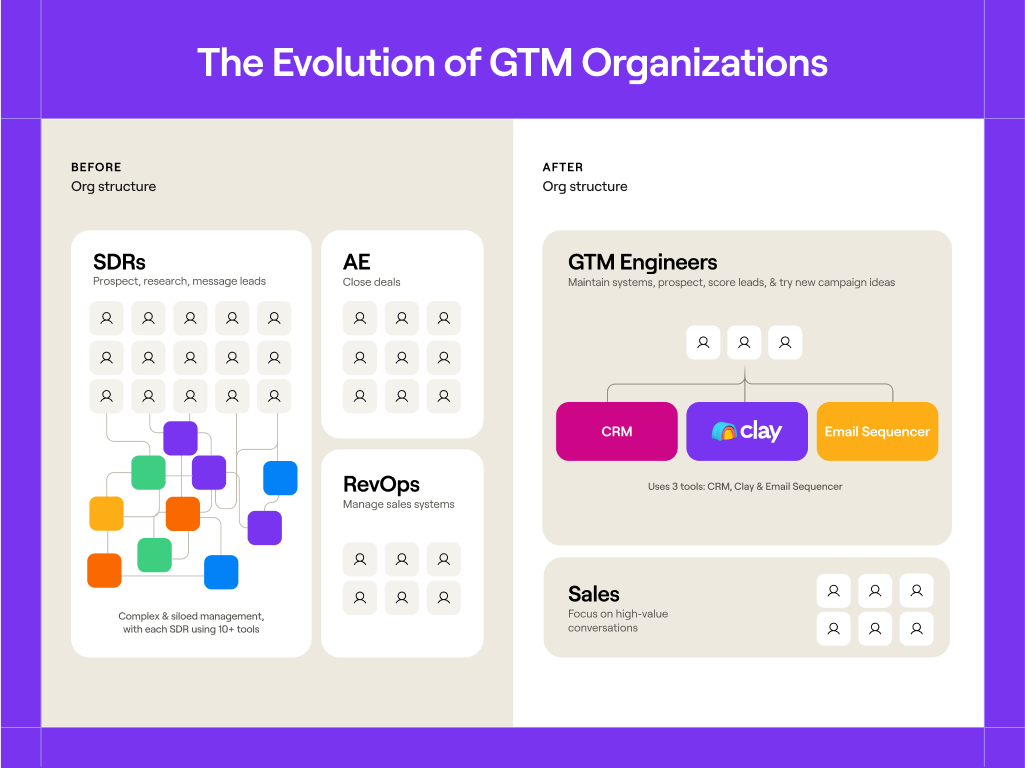
Clay doubled its valuation to $3.1B in six months by integrating 75+ data providers into one AI-powered platform, enabling sales and marketing teams to enrich leads, automate outreach, and personalize at scale.
Why users love it: Clay essentially replaced a function that used to require a team of SDRs and data analysts with an automated, waterfall-type workflow.
Their 100k+ user base enjoys hyper-targeted prospect lists, auto-enrich them with live data from dozens of sources, and fire off personalized outreach, all without touching a CRM. The "GTM Engineer" role it created is now one of the fastest-growing job titles in B2B sales.
The product has its sceptics, as Clay suffers from the unreliability of AI-generated data. To address the issue, they recently partnered with Lusha to bring verified B2B data to users.
3. Collaboration and communication
New collaboration tool ideas
I. Meeting intelligence
A SaaS tool that auto-generates agendas from Slack threads, records and summarizes the call, extracts action items with owners, and pushes deliverables into your PM tool, closing the entire meeting lifecycle from agenda to archived decision.
II. Knowledge management
A product that indexes every doc, Slack thread, and meeting recording into a knowledge graph, then proactively surfaces relevant context when an employee is about to duplicate work, contradict a prior decision, or onboard into a new area. (Somebody please build this.)
III. Employee policy Q&A
Slack-native AI trained on your HR policies and handbooks that answers employee questions instantly with jurisdiction-specific accuracy, and escalates edge cases to HR with full context pre-assembled.

IV. Async-first communication for multilingual teams
Sits above Teams and email to provide culturally adapted (not just translated) messaging, with Loom-style async video, complete with closed captions.
V. Ops intelligence
Monitors every system of record (CRM, HRIS, ERP, Slack) and delivers a personalized daily digest of what changed, why it matters to you specifically, and what action is needed. Basically a smart newspaper for busy operations.
Existing communication tool example
Loom (by Atlassian)
Category: Async video messaging
Founded: 2015 (acquired: 2023)
Valuation: $1.53 billion
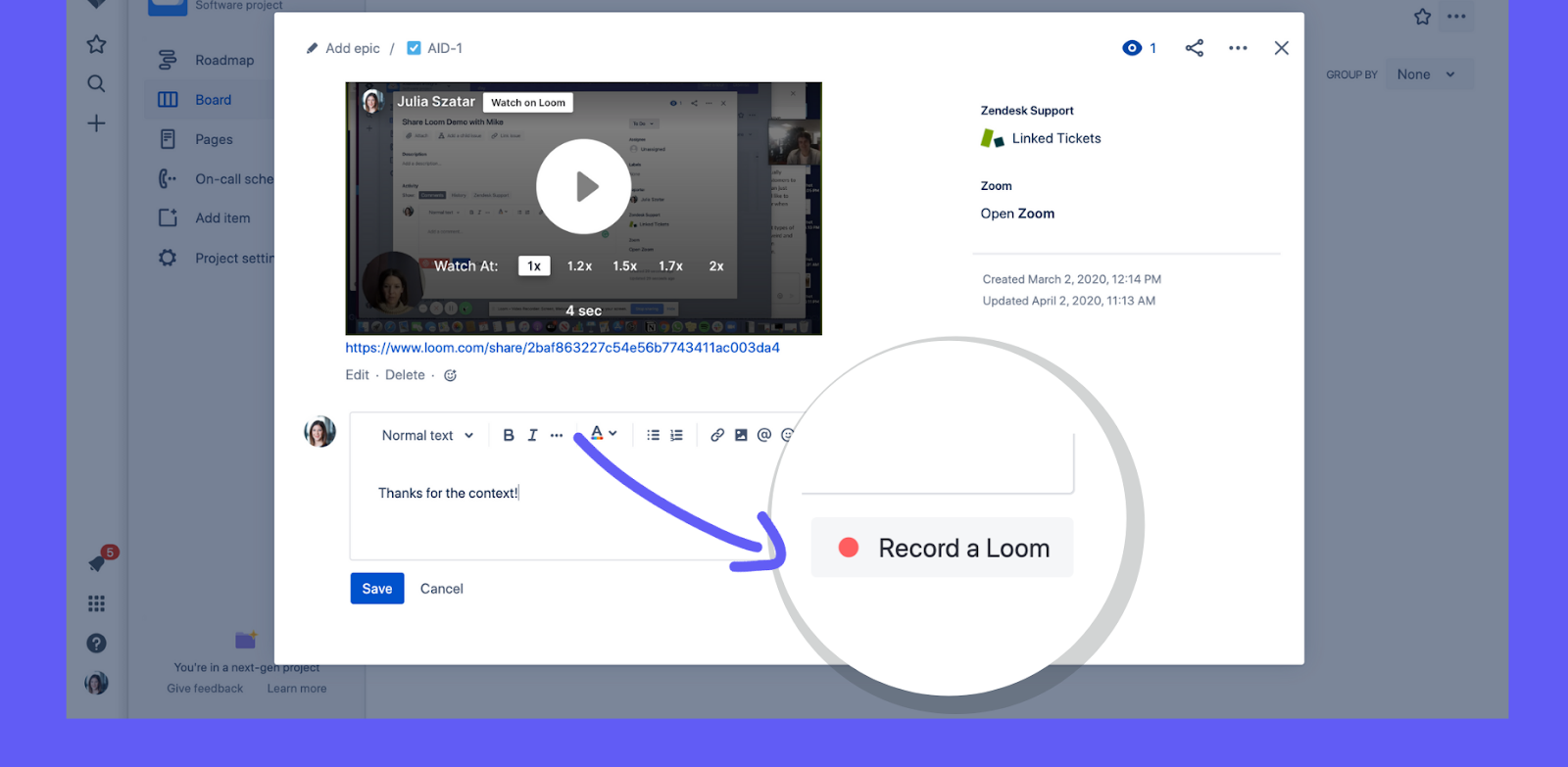
Loom’s founders predicted the everyday use of video content in business communications and created a SaaS tool that lets teams easily record and share short video messages instead of writing long emails or scheduling unnecessary meetings and ending up with Zoom fatigue.
Atlassian integrated Loom into its Jira and Confluence ecosystem after a $975M acquisition. AI features now auto-transcribe, summarize, and generate action items from every video.
Why users love it: Users in distributed teams especially love replacing status update meetings with a 90-second Loom, saving time while keeping the personal touch of video communication.
Another common use case involves scenarios where screen recordings are necessary, like bug reports.
Reviewers agree that while Loom is not an essential tool for all businesses, it’s the best solution in its category, even with the hefty price tag.
4. Financial management
New fintech SaaS ideas
I. Continuous audit-readiness for fast-growing startups
Always-on compliance layer that monitors financial data, flags anomalies before auditors do, and auto-generates Series B–ready evidence packages inside QuickBooks or NetSuite, not replacing them.
II. AI CFO co-pilot for revenue recognition
Automates ASC 606 revenue recognition across complex SaaS contracts and generates board-ready waterfall reports in minutes.
III. AI-powered SaaS spend negotiation layer
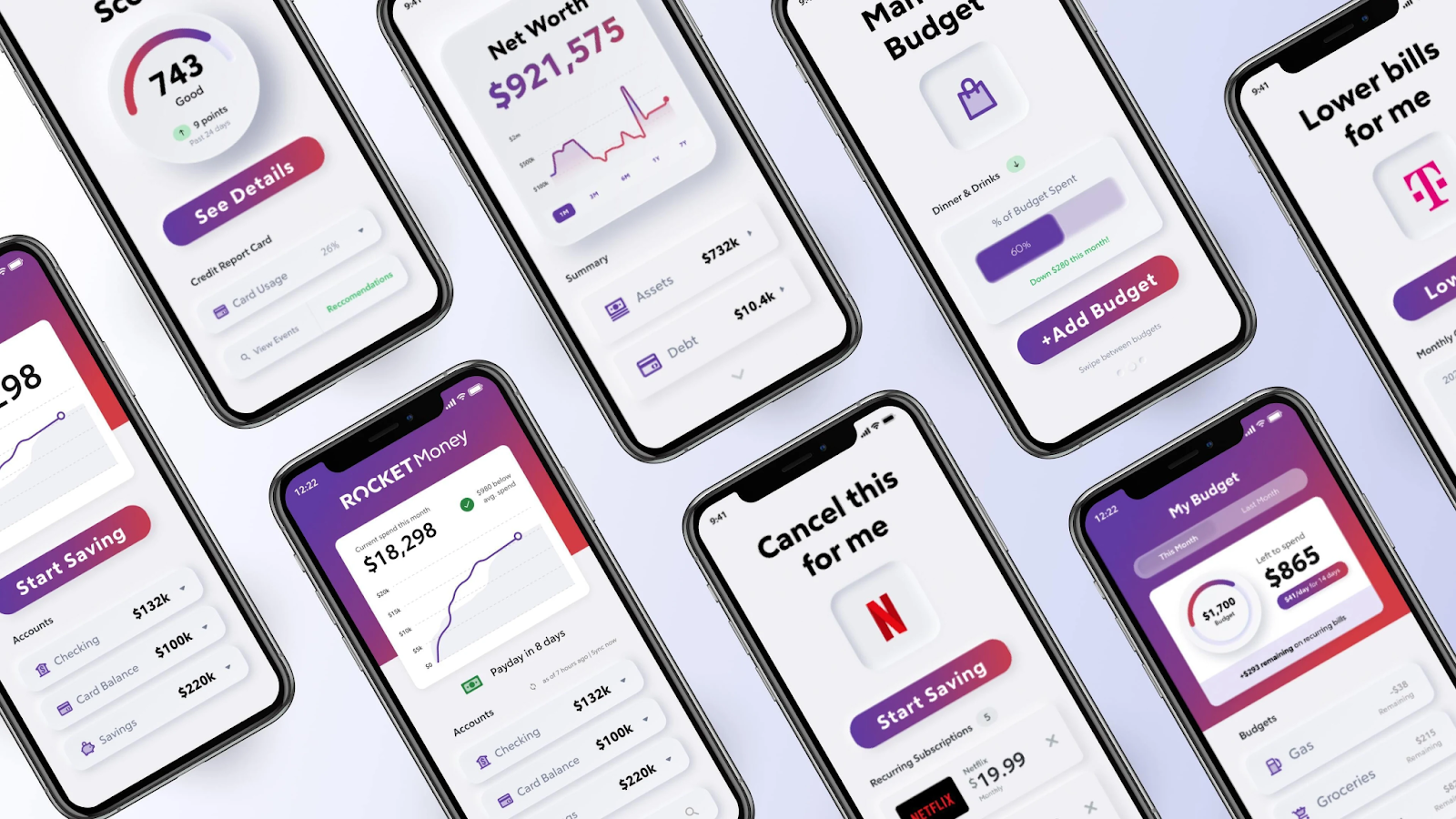
Scans your full SaaS stack, benchmarks pricing against real contract data, flags redundant tools, and auto-negotiates renewals, sending vendor emails and closing deals with no procurement team needed (similar to the B2C solution RocketMoney, which has an estimated valuation of $256,000,000).
IV. Embedded FX hedging for global SaaS companies
Monitors multi-currency revenue exposure, recommends hedging strategies, and executes forward contracts directly from a dashboard.
V. Automated board reporting from your finance stack
Connects to your ERP, CRM, and data warehouse to auto-generate board packages with AI-written variance commentary and talking points, on a recurring, scheduled basis.
Existing fintech SaaS example
Brex
Category: Enterprise spend OS
Founded: 2017
Valuation: Acquired by Capital One for $5.15B (Jan 2026)
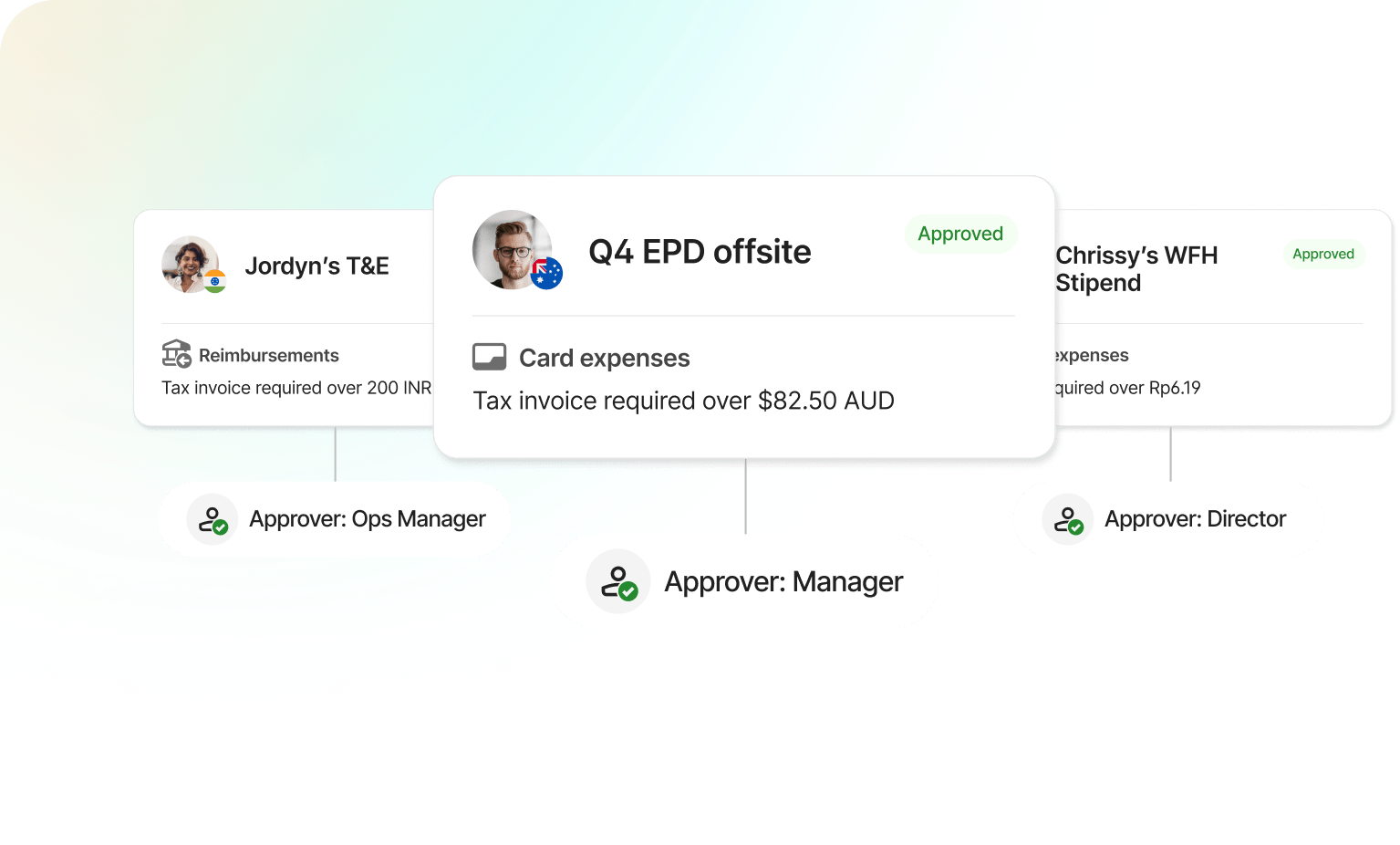
Brex hit $700M in annualized revenue, up 50% year-over-year, after rebuilding its focus around enterprise companies with its Brex Empower suite for streamlined reporting, budgeting, and spend delegation.
Why users love it: Like Rippling, Brex's underlying infrastructure lets it act as a compound startup, bundling what used to require Bill.com for bill pay, Navan for travel, and a separate banking provider into one integrated platform. Enterprise finance teams appreciate eliminating vendor sprawl in their financial stack.
5. Marketing and analytics
New martech SaaS ideas
I. Lookalike audience engine for B2B
Analyzes the firmographic and behavioral fingerprint of your best customers and continuously builds high-fidelity lookalike audiences across LinkedIn, Meta, and programmatic channels, refreshing automatically as your customer base evolves.
II. First-party data unification layer
Stitches together anonymous web visits, CRM records, product usage data, and event attendance into a single identity graph, so marketing finally has a complete picture of every account's journey without relying on third-party cookies.
III. Multichannel content performance tacker
A single system of record for every piece of content ever produced tracking its performance across every channel it's been distributed to, flagging outdated assets, and surfacing which evergreen content is worth refreshing vs. retiring.

IV. Invisible touchpoint intelligence
Identifies and quantifies the dark funnel (podcasts, communities, word-of-mouth, and social content that influences buyers before they ever raise their hand) using survey-based attribution layered with signal triangulation.
V. Marketing-to-revenue analytics
Connects marketing activity directly to pipeline creation and revenue outcomes, modeling which campaigns, channels, and content types actually influenced closed-won deals, not just leads generated.
Existing martech SaaS example
Hightouch
Category: Customer data platform
Founded: 2019
Valuation: $1.2B (Feb 2025) – raised $80M
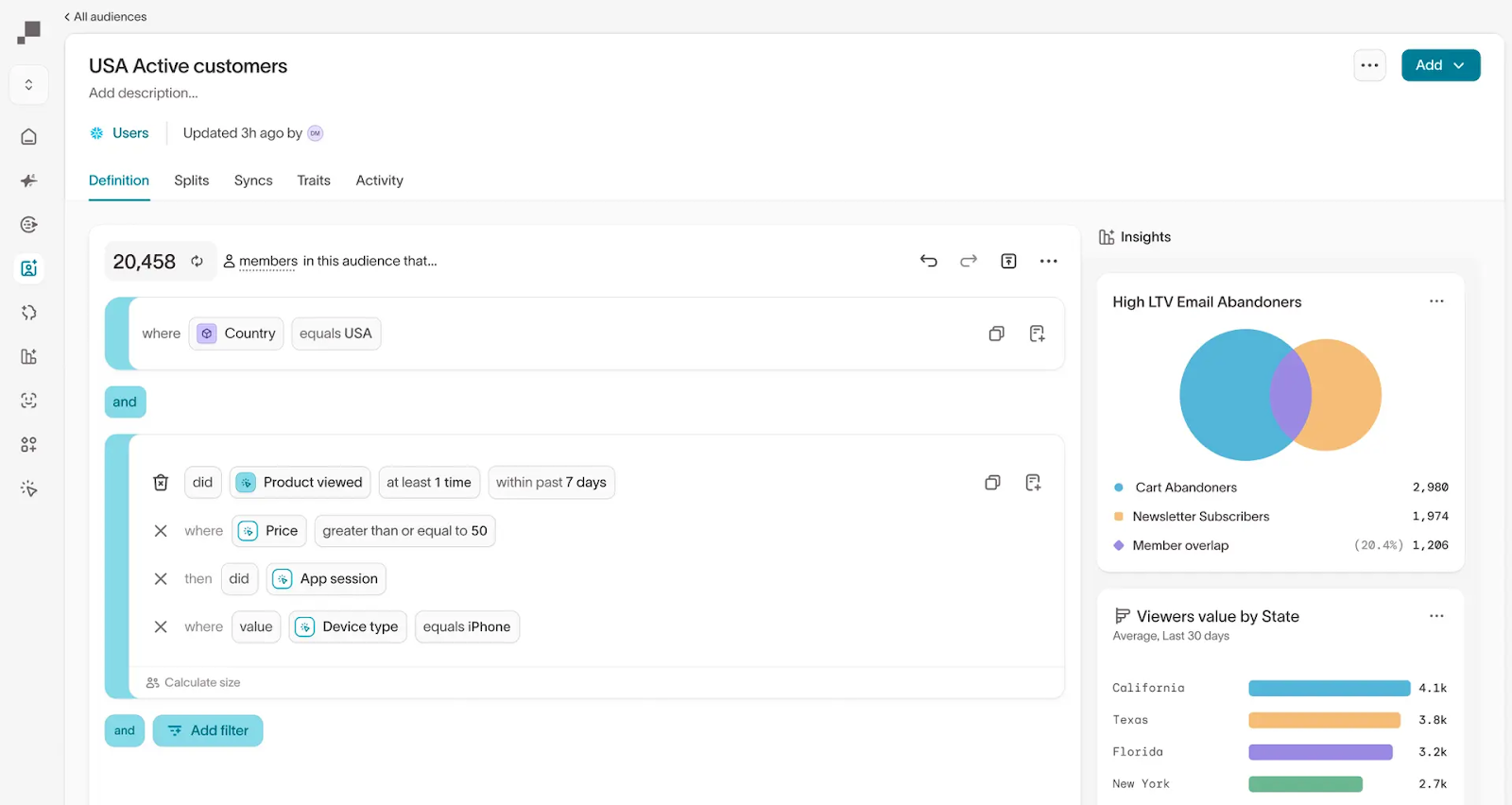
Hightouch pioneered "reverse ETL." Instead of copying all their data into a separate CDP system (which is slow and expensive), marketers can use Hightouch to read directly from their data warehouse and sync that data to 250+ marketing, advertising, and sales tools like Salesforce, Braze, Google Ads, and Klaviyo.
Why users love it: Marketers don’t have time to wait around. With Hightouch, they can build customer audiences with a no-code builder, run A/B tests, plan omni-channel journeys, and personalize campaigns in real time all without filing engineering tickets or waiting months for implementation.
What makes a SaaS idea win
Across the SaaS tool examples above, seven repeating success patterns emerge. Every durable product hits at least three of these.
1. Compound platforms
Winners start with one workflow and expand horizontally until they replace 3–5 existing vendors.
2. Workflow embedding
Winning products live inside existing workflows rather than asking users to change their behavior and toolset.
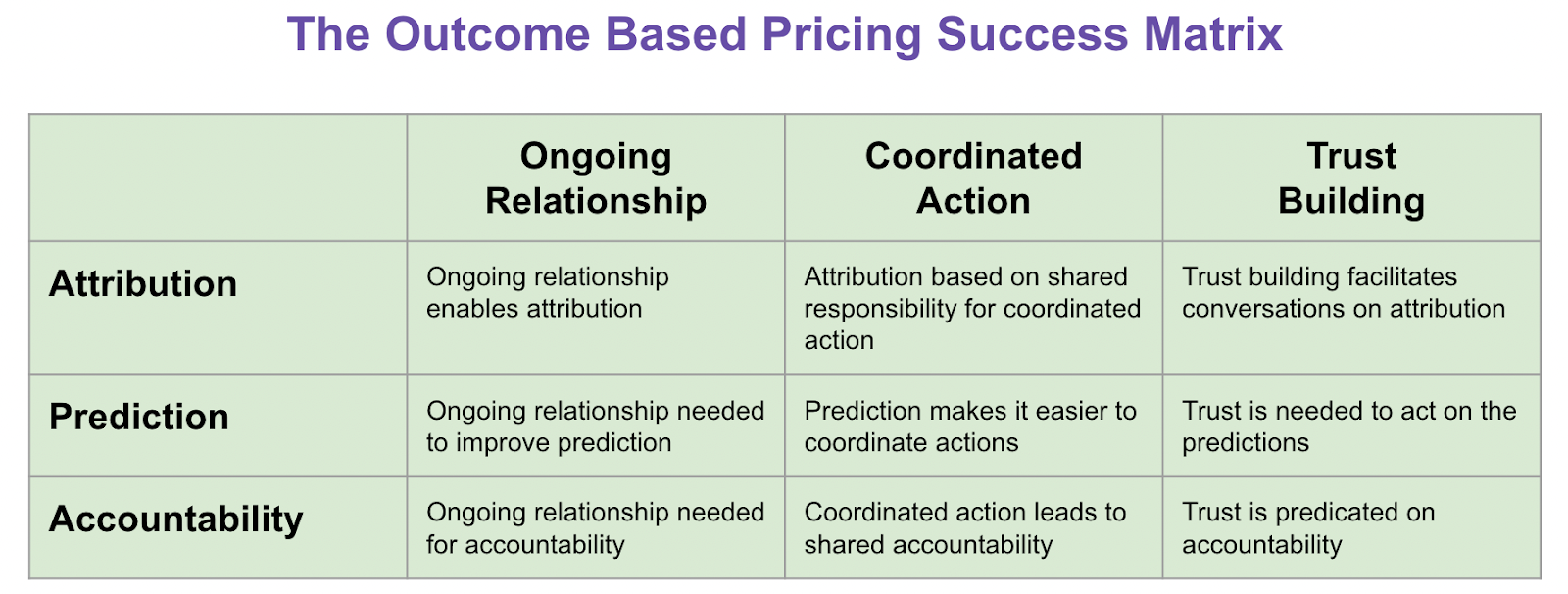
3. Outcome-based pricing
Charging per resolved conversation, per saved hour, or per closed deal rather than per seat aligns business incentives with customer success. Skeptical? Ask Ibakka Consulting.
4. Data network effects
When every customer interaction makes the product smarter for all users, you’re set for success. Products trained on proprietary, interaction-level data become increasingly difficult to displace. However, you need robust privacy systems and total transparency to avoid exploiting your own users.
5. Viral internal expansion
The best products are adopted by one team and spread organically to adjacent ones. This way, growth comes from intra-company virality, not slow-to-convert outbound sales.
6. Category creation
The most valuable companies don't compete but define a new(-ish) workflow or mental model. Owning the category beats winning a feature war.
7. AI integration that makes sense
Products where removing AI would break the core value prop are structurally more defensible than SaaS tools with random AI features which were only added to appease stakeholders or ride the hype.
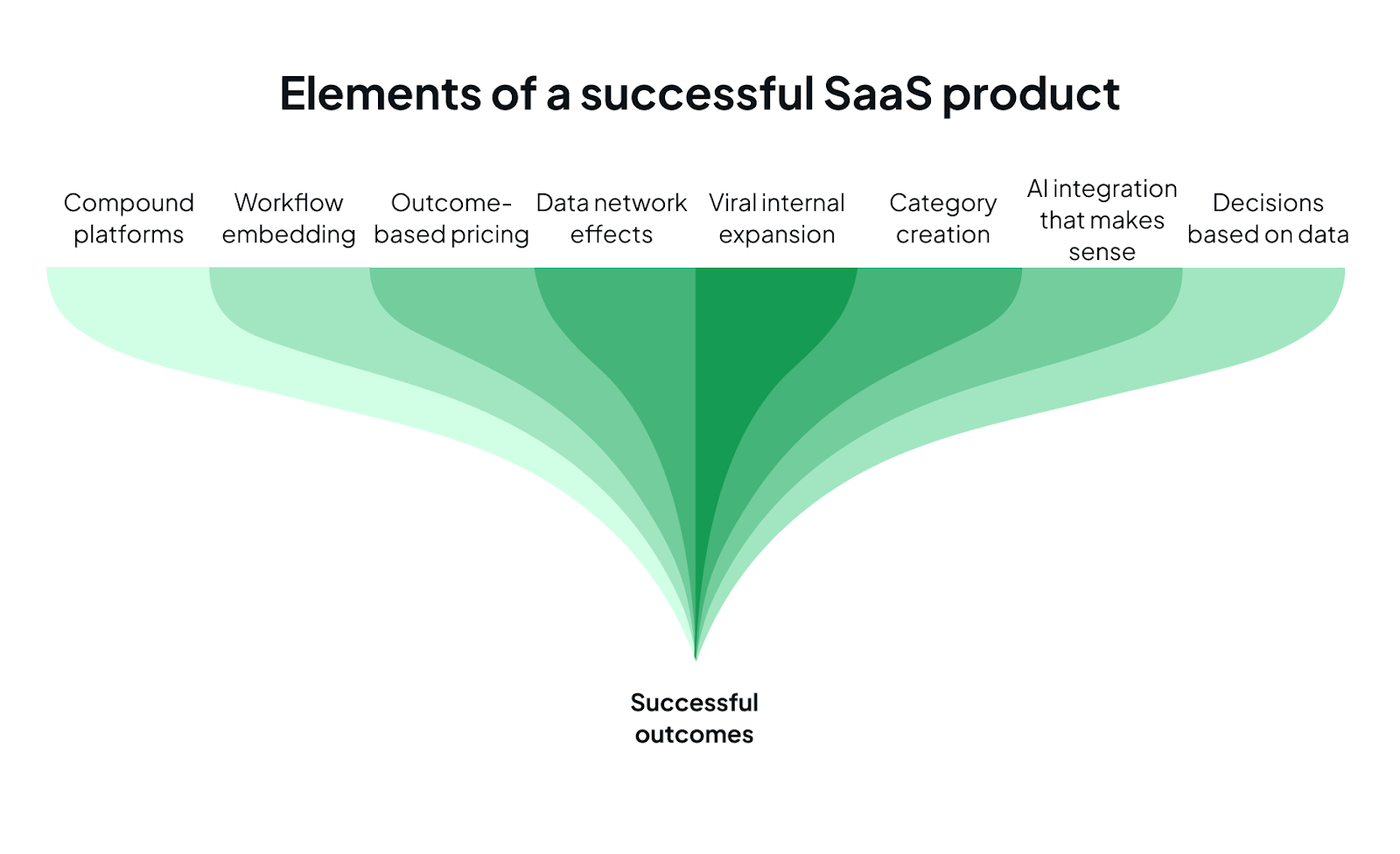
+1 Data-based decision making
The invisible layer behind all winning products is relevant, up-to-date data collected and analyzed by specialists.
Why most SaaS ideas fail
Learning from winners is great, but learning from the mistakes of others is the best.
SaaS failure rates are brutal: Webapper reports that roughly 92% of SaaS startups fail within three years, and 70% are gone within five. Understanding why matters far more than the statistics themselves.
1. No real market need (the #1 killer)
Research by CB Insights shows that absent market need accounts for 42% of SaaS startup failures. There’s a reason we advocated for so much research at the beginning of this blog post.
2. Cash flow mismanagement
The SaaS business model typically requires large initial investments, with revenues expected to grow gradually, leaving little room for error in financial planning.CB Insights data shows the median time between a startup's last funding round and its death is just 16.5 months.
3. Weak go-to-market strategy
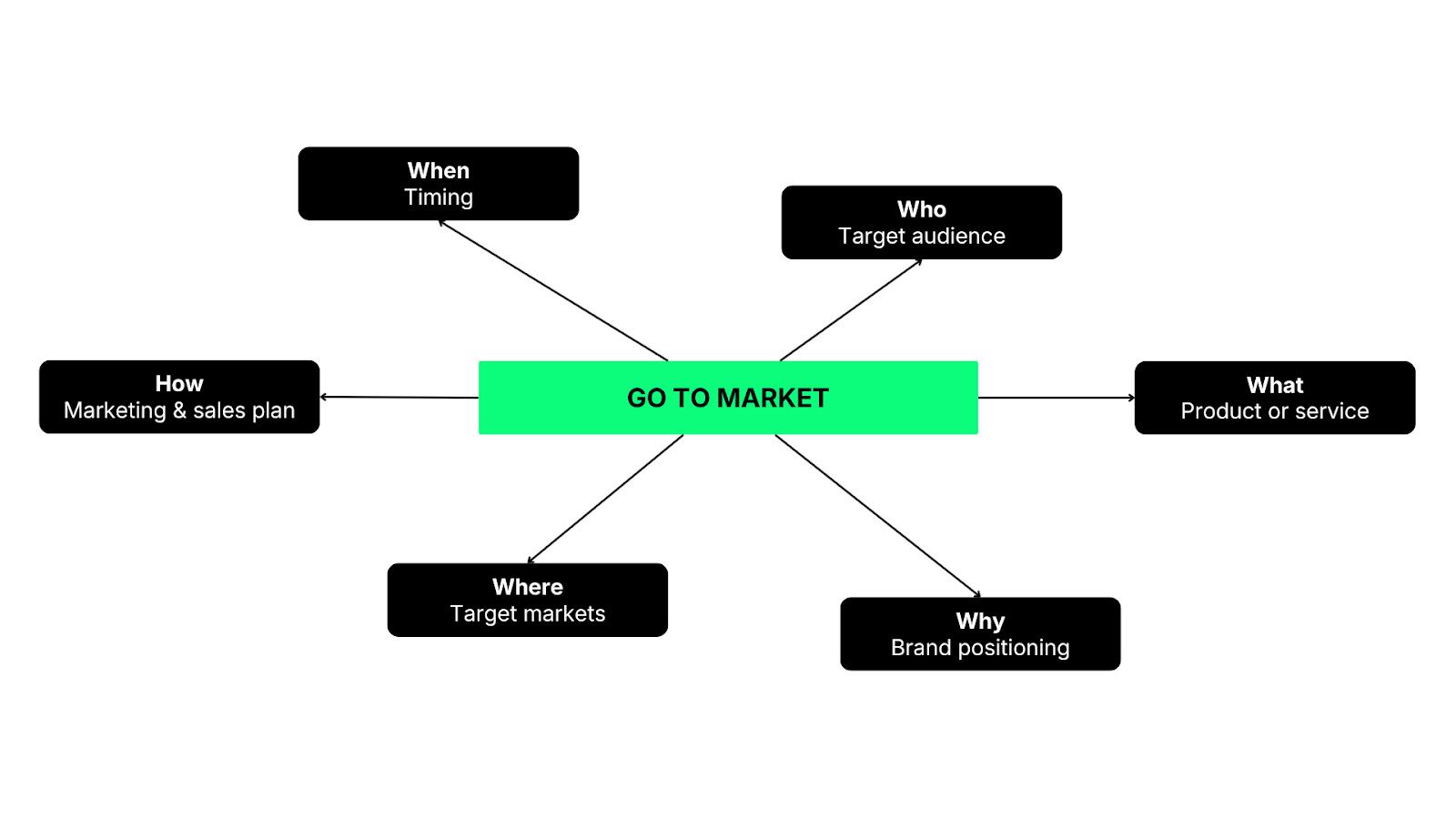
A great product with no audience is still a dead product. About 13% of SaaS failures are attributed to poorly executed go-to-market strategies, including failure to communicate a clear value proposition and targeting too broad an audience.
4. Team dysfunction
Technical skill alone isn't enough; founding teams often lack crucial capabilities in marketing, sales, or customer retention, even when technical skills are strong, according to SaaSPirate
5. Ignoring customer feedback
About 14% of startups ignore user feedback, leading to reduced satisfaction and higher churn. Listening to users isn't a one-time activity: it needs to be wired into every stage of product development.
Good news: we can help with all this.
Let’s build a winning product
From initial research to building MVPs and maintaining mature SaaS products, we at UX studio are always happy to lend you our expertise. Our subscription-based model gives you a fully dedicated and embedded UX/UI team that feels like your own.
We can help you with:
- UX/UI design and redesign
- UX research
- Consultancy
- Development
We combine deep research with intuitive UX design for faster delivery and truly data-based decisions. Our clients choose us for our flexibility, deep industry knowledge and ability to plug into product teams like an extension of their own, without any hassle.
Need a partner, not just an agency?
- Check out our case studies
- Get in touch with us